
 Call Us (920) 750-7138
  (920) 750-7138

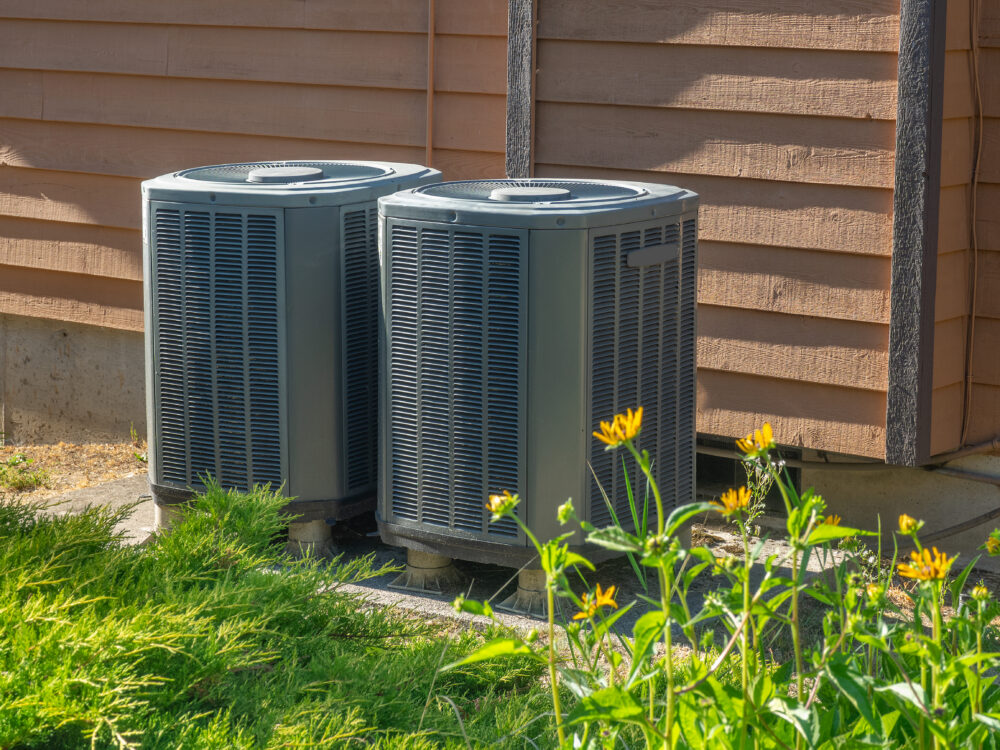
While it may seem illogical for ice to develop on an air conditioner in the summer, these units can actually freeze up during extreme outdoor temperatures. AC ice buildup is often a warning sign of an underlying issue with your AC unit, ranging from airflow to refrigerant and internal component malfunctions. If you’re wondering, “Why is my AC frozen?” it’s typically due to an issue that prevents your system from operating properly.
Ignoring a frozen air conditioner can lead to worsening damage, major system failure, and higher energy bills. It’s best to understand the common causes of a frozen air conditioner so you know how to troubleshoot it or when to seek out professional assistance.
How an Air Conditioner Freezes in Hot Weather
Your cooling system works by removing heat from the air inside your home and transferring that heat to the outdoors. To do its job effectively, it relies on the right combination of refrigerant being compressed and expanded, airflow, and properly functioning components. Whenever something interrupts this process, the temperature inside your system can drop significantly.
During normal AC operation, warm indoor air passes over the evaporator coil. Inside the coil is refrigerant that absorbs heat from the air. This allows the cooler air to circulate back throughout your home. Condensation will naturally form during this process, which reduces humidity.
Unfortunately, if the evaporator coil becomes too cold, the condensation on it can begin to freeze instead of draining away. As more and more layers freeze, it can spread across the coils, refrigerant lines, and other parts of your indoor air handler unit. Just because the weather is hot outside doesn’t mean your air conditioner won’t freeze up. In fact, freezing problems are most commonly discovered on the hottest days of the year because your system is running longer. Understanding the reasons behind your AC freezing up can help you prevent major repair issues.
Dirty Air Filters Restrict Airflow
One of the most common causes of a frozen evaporator coil is a dirty air filter. Your system’s air filter traps dirt, dust, pet hair, and other airborne particles before they reach your HVAC system. Unfortunately, when the fibers in your air filter get clogged with debris, they restrict the amount of air that can pass through. If you have AC airflow problems, you’ll experience a frozen evaporator coil.
Often, the AC ice buildup will be minor at first and get worse over time as the airflow continues to be restricted. If you notice your system has longer cooling cycles, higher energy bills and uneven temperatures throughout your home, it could signal a dirty air filter. It’s highly recommended that you replace the filter to prevent the evaporator coil from freezing.
Low Refrigerant Levels Can Cause Freezing
Another really common cause of frozen air conditioner units is low refrigerant. Refrigerant is the substance in your cooling system that absorbs heat from inside your home and releases it outdoors. Your air conditioner is designed to operate with a specific amount of refrigerant. Whenever that refrigerant level drops too low, the pressure inside your system ultimately changes.
This temperature drop will cause your evaporator coil to fall below freezing. As warm, humid air passes over the coil, the moisture freezes to the coil instead of draining away into the drain pan. This creates ice buildup that gets worse over time. Low refrigerant is always caused by a leak somewhere in your system. Air conditioning units don’t use up refrigerant like a car uses fuel over time. Low refrigerant is another common answer when homeowners ask, “Why is my AC frozen?” during the hottest months of the year.
In some cases of a refrigerant leak, you may notice a hissing sound near your air conditioning system. This is typically the refrigerant gas escaping through a hole in your refrigerant line or coil. It’s necessary to shut off your system and contact one of our technicians to repair your air conditioner. Only HVAC technicians can safely and effectively recharge your unit.
Blocked or Closed Vents Reduce Air Circulation
It’s pretty common for homeowners to have unused rooms. Many will try to close the vents in those rooms, thinking that will save them energy when it comes to cooling their home. Unfortunately, if you close off too many vents, it can actually create problems for your air conditioning system. Your AC unit was designed to move air through all the vents in your home when they’re open. When vents are closed or partially blocked, it disrupts this airflow balance, which can reduce circulation over the evaporator coil.
Without enough circulation, the coil can become too cold and eventually freeze up. It’s always a good idea to check that your curtains, rugs, furniture, and other household items aren’t creating AC airflow problems near your vents. It’s also important to ensure that all your vents are fully open so your air conditioner can work properly.
Dirty Evaporator Coils Create Cooling Problems
Just like any other component of your AC unit, your evaporator coils can get covered in dust and debris over time. Unfortunately, when it collects on the surface of the coil, it creates more of a barrier that prevents heat from moving in or out of the coil. Your refrigerant inside the coil will be less efficient at absorbing heat, and the coil will get too cold as condensation collects. AC ice buildup and your AC performance are severely reduced. Getting annual maintenance for your air conditioning system is the best way to prevent this problem and reduce your risk of your AC freezing up.
Blower Fan or Mechanical Problems
Your AC’s blower fan is responsible for moving warm air indoors across the evaporator coil and then distributing the cold air throughout your home. If the blower fan isn’t working properly, the system may not receive enough airflow. A failing or weak blower motor can quickly lead to freezing because the AC airflow problems won’t allow enough warm air to reach the coil.
There are many different mechanical problems that can prevent your air conditioner from operating effectively. If you notice your system overheating, making strange noises, or experiencing weak airflow, it’s a sign of a mechanical malfunction. It’s best to have one of our professional technicians perform an air conditioner repair to restore your unit’s functionality.
What Homeowners Should Do if Their AC Freezes
If you notice that your air conditioning system is frozen, it’s important to act quickly to prevent further damage from developing. Start by turning off your air conditioning system completely. This allows the ice to melt off while preventing additional buildup. While you’re waiting for your unit to thaw, you can start by replacing any dirty air filter and checking that all your vents are completely open.
When to Call an HVAC Professional
If your air conditioning system freezes back up after you’ve thawed it and replaced your air filter, it’s time to give us a call. If you suspect a refrigerant leak is the root cause of your frozen coils, you need a professional to assist you. Issues such as unusual noises, weak airflow, and your system struggling to cool your home all require a professional diagnosis.
A Frozen AC Usually Means Something Isn’t Working Properly
Your air conditioning system should never freeze up on you during normal operation, even when the weather outside is hot. If you notice frozen coils, act promptly to prevent compressor damage and costly air conditioner repair bills. You can be proactive in preventing this problem and reducing the risk of your AC freezing. Perform periodic air filter changes and schedule annual routine maintenance.
Schedule an AC Inspection today!