 Call Us (920) 750-7138
  (920) 750-7138

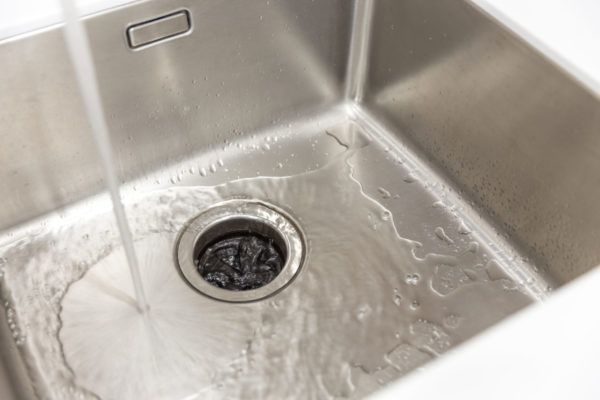
A garbage disposal that suddenly goes silent — or worse, hums without doing anything — has a way of turning a normal evening into a frustrating one. Standing water in the sink, food backing up, and a kitchen that smells like it shouldn’t: it’s one of those problems that demands immediate attention.
The good news is that most garbage disposal failures have straightforward causes, and many can be resolved without calling a plumber. This guide walks you through the most common issues step by step, so you can troubleshoot confidently and get your kitchen back to normal fast.
Why Did My Garbage Disposal Stop Working?
Garbage disposals fail for a handful of consistent reasons: electrical interruptions, mechanical jams, drain clogs, and — less commonly — motor or component failure. The symptoms your disposal is showing can tell you a lot about where to look first:
- Disposal won’t turn on at all (no sound) → Electrical issue: tripped reset button, tripped circuit breaker, or faulty outlet
- Disposal hums but doesn’t spin → Mechanical jam: something is blocking the flywheel
- Disposal runs but water won’t drain → Drain clog: obstruction in the discharge line or sink plumbing
- Disposal smokes or stops suddenly under load → Overheating or motor issue
- Disposal leaks → Worn gasket, loose connection, or cracked housing
Start with the symptom that matches your situation and work through the steps below. If you’re unsure or uncomfortable at any point, Black-Haak’s garbage disposal repair team is one call away.
Tools You May Need to Fix a Garbage Disposal
Before you start troubleshooting, it helps to have the right tools within reach. Most disposal repairs require only a few basic items:
- Hex (Allen) wrench — 1/4 inch — used to manually turn the flywheel from the bottom of the unit to clear jams. Most disposals come with one; if yours is missing, any standard Allen wrench set will have it.
- Flashlight — essential for seeing inside the disposal chamber to locate obstructions
- Tongs or needle-nose pliers — for safely retrieving foreign objects from inside the chamber. Never use your fingers.
- Cup plunger — the standard flat-bottomed plunger used for sink drains (not the flange-style toilet plunger)
- Drain auger (drain snake) — for clogs located further down the drain line beyond what a plunger can reach
- Bucket — for catching water when disconnecting the P-trap or discharge line
- Adjustable pliers or channel-lock pliers — for disconnecting drain fittings under the sink
Garbage Disposal Won’t Turn On at All
This is the most common garbage disposal complaint, and it’s usually an electrical issue rather than a mechanical one — meaning there’s a good chance you can fix it yourself in under five minutes.
Step 1 — Check the Basics First
Before assuming the worst, confirm the obvious:
- Is the disposal plugged in? (The outlet is typically inside the cabinet under the sink.)
- Is the wall switch in the “on” position?
- Is the switch actually working? (Test it by plugging a different device — a phone charger, a lamp — into the outlet and flipping the switch. If nothing works, the outlet or switch is the problem, not the disposal.)
Step 2 — Press the Reset Button
If power is confirmed and the disposal still won’t respond, look for the reset button on the underside of the unit — it’s usually a small red or black button on the bottom of the disposal housing. When a disposal gets overloaded or overheated, this button pops out as a safety measure to cut power.
Press it firmly until you feel it click. Then try the disposal again.
If the reset button won’t stay depressed: the disposal may still be too hot. Wait 15 minutes and try again. If it still won’t stay in, the motor may have failed and the unit may need replacement.
Step 3 — Check Your Circuit Breaker
If the reset button is fine but the disposal still won’t start, head to your main electrical panel. Find the breaker labeled for the kitchen or disposal and flip it fully off, then back on. Return to the disposal and test again.
If none of these steps restore power: it’s time to call a professional. A persistent electrical issue could involve faulty wiring under the sink, a defective switch, or a disposal that’s reached the end of its life. Black-Haak’s licensed plumbers — and electricians, when needed — can diagnose and resolve the issue quickly. Because we’re a full-service home services company, we can handle both the plumbing and electrical side of disposal problems in a single visit.
Garbage Disposal Hums but Won’t Spin
If you flip the switch and hear a humming sound but the disposal doesn’t grind, you have a jam. The motor is receiving power and trying to run, but something is preventing the flywheel from turning. Act quickly — if a disposal runs while jammed, the motor can overheat and burn out within minutes.
Quick Fix Checklist: Disposal Hums but Won’t Spin
- Turn off power and unplug the unit immediately
- Insert a 1/4-inch hex (Allen) wrench into the socket at the bottom of the unit and work it back and forth to free the flywheel
- Use tongs or needle-nose pliers to remove any visible obstruction from inside the chamber — never your fingers
- Press the reset button, restore power, and test with running water
- If jams keep happening, call a plumber — a worn grind ring or undersized unit may be the real problem
Step 1 — Cut the Power Immediately
Turn off the disposal switch and unplug the unit from under the sink before doing anything else. Never put your hand inside a disposal that has power connected to it, even if it’s switched off.
Step 2 — Use the Hex Wrench to Free the Flywheel
Most garbage disposals come with a small hex (Allen) wrench — typically 1/4 inch — designed specifically to manually turn the flywheel from below. Look for a hex socket in the center of the bottom of the disposal housing. Insert the wrench and work it back and forth in both directions to dislodge whatever is causing the jam. When the obstruction clears, the wrench will turn freely through a complete rotation.
If you can’t find your disposal’s wrench, a standard Allen wrench from a hardware store will work.
Step 3 — Remove the Obstruction from Above
With power still disconnected, look down into the disposal with a flashlight. Use tongs, needle-nose pliers, or a wooden spoon handle to retrieve any foreign object that caused the jam — bottle caps, utensils, bones, fruit pits, and broken glass are the most common culprits. Never use your fingers.
Step 4 — Reset and Test
Once the flywheel turns freely and the obstruction is removed, plug the unit back in, press the reset button, and test the disposal with running water. Start with just water for 30 seconds before running food through it.
If jams happen frequently: it may indicate the disposal is undersized for your household’s usage, the grind ring is worn, or certain foods are regularly being run through that shouldn’t be. Black-Haak can assess whether a repair or a replacement makes more sense — honestly, without any pressure to upgrade unnecessarily.
Garbage Disposal Drains Slowly or Not at All
When your disposal runs fine but water backs up into the sink, the problem is a clog — either in the disposal’s discharge line or further downstream in the sink’s plumbing.
Step 1 — Remove Standing Water and Food Debris
Clear as much material from the sink as possible before troubleshooting. Trying to diagnose a drain clog with a full sink makes everything harder.
Step 2 — Try a Cup Plunger
Fill the sink with 2–3 inches of water and use a standard cup plunger (not a toilet flange plunger) directly over the drain opening. Plunge vigorously 10–15 times and test. This clears many minor clogs quickly without any disassembly.
Step 3 — Check the Discharge Line
If plunging doesn’t work, the clog may be in the discharge drain line — the pipe that runs from the disposal to the drain trap under the sink. Place a bucket under the trap, disconnect the discharge tube from the disposal and the P-trap, and visually inspect and clear any obstruction. Rinse the tube out and reassemble.
Step 4 — Address the P-Trap and Beyond
If the discharge line is clear, the blockage is likely in the P-trap or further down the drain line. Remove and clean the P-trap — a common collection point for grease and food buildup. If the clog is beyond the trap, a drain auger (drain snake) can reach further into the pipe to break up or retrieve the obstruction.
If you can’t locate or clear the clog: Black-Haak offers professional drain cleaning services using equipment that goes well beyond what a household snake can reach. We can clear even stubborn, deep-seated blockages and diagnose whether your drain line has a more serious underlying issue.
Garbage Disposal Is Smoking
Smoke coming from a garbage disposal is a serious warning sign that should not be ignored. It almost always means the motor or wiring has overheated.
Step 1: Immediately unplug the disposal. Don’t attempt to reset or restart it while it’s smoking.
Step 2: Let it cool completely — at least 20–30 minutes — before inspecting anything.
Step 3: Inspect the wiring. Remove the lower cover of the disposal and look for burnt, melted, or discolored wires. If wires are damaged, they can sometimes be replaced by a qualified professional to restore the unit.
If the motor itself has burned out: the disposal will need to be replaced. A motor failure is not repairable, and attempting to run a disposal with a failed motor creates a fire and safety risk.
Call Black-Haak if your disposal has smoked. Burned wiring and motor failures involve both plumbing and electrical components — and because Black-Haak handles both trades, we can assess the full situation in a single visit and give you an honest recommendation on whether a repair or a new installation makes better financial sense.
What NOT to Put Down Your Garbage Disposal

Prevention is always cheaper than repair. These items are the most common causes of jams, clogs, and premature disposal failure — and should never go down the drain:
- Grease, fats, and oils — they solidify in pipes and cause serious drain blockages
- Fibrous vegetables — celery, artichokes, asparagus, and corn husks wrap around the flywheel and jam the motor
- Hard items — bones, fruit pits, and seafood shells can crack or dull the grind ring
- Starchy foods — pasta, rice, and potato peels expand with water and create dense clogs
- Coffee grounds — they accumulate in drain bends and build up over time
- Non-food items — glass, twist ties, utensils, and bottle caps are among the most common causes of jams
What IS safe to run through a properly functioning disposal: soft food scraps, citrus peels in small amounts, ice cubes (which actually help clean the grind ring), and small quantities of cooked vegetables and fruit.
How to Prevent Garbage Disposal Clogs and Jams
The best disposal repair is the one you never need. A few consistent habits will dramatically extend the life of your unit and reduce the likelihood of jams, clogs, and motor burnout:
- Always run cold water while using the disposal — and keep it running for 15–30 seconds after you turn the unit off. Cold water solidifies grease so the disposal can grind it, and the extended run flushes everything through the drain line.
- Feed food scraps in gradually — don’t dump a full plate in at once. Smaller batches are easier on the motor and less likely to cause jams.
- Clean the disposal monthly — drop in a handful of ice cubes and a cup of rock salt, run it for 30 seconds, then flush with cold water. This scrubs the grind ring and removes odor-causing buildup. Follow with half a lemon for freshness.
- Use dish soap regularly — a small squirt of dish soap while running cold water through the disposal helps break down grease residue inside the unit and drain line.
- Never pour grease or oil down the drain — even in small amounts, fat accumulates in the drain line and is one of the leading causes of slow drains and drain damage over time.
- Schedule annual plumbing maintenance — a plumber can inspect the unit, check for wear on the grind ring and seals, and identify early signs of motor fatigue before they become a failed disposal. Our Home Protect Service Plans include this type of inspection as part of annual coverage.
When to Repair vs. Replace Your Garbage Disposal
Not every disposal problem is worth fixing. Here’s a general guide:
Repair makes sense when:
- The disposal is less than 8–10 years old
- The problem is a simple jam, clog, or worn washer
- Repair cost is less than 50% of replacement cost
Replacement makes sense when:
- The motor has failed or the unit has burned out
- Repairs have become frequent (more than once or twice a year)
- The unit is 10+ years old and experiencing multiple issues
- You want to upgrade to a quieter, more powerful model
Black-Haak will give you an honest assessment of which direction makes more financial sense for your situation — no upselling, no pressure. That’s the standard we’ve held ourselves to since 1956.
Garbage Disposal Repair and Installation in Fox Valley, WI
If you’ve worked through these steps and your disposal still isn’t cooperating — or if you’d rather have a licensed professional handle it from the start — Black-Haak’s team is ready to help.
What you can expect when you call us:
- Same-day and 24/7 emergency service — kitchen plumbing problems don’t wait, and neither do we. Available nights, weekends, and holidays with no overtime fees.
- Upfront pricing — you’ll know the cost before any work begins. No surprises, no hidden charges.
- Highly trained, licensed plumbers — every Black-Haak plumber goes through rigorous training and ongoing development through our apprenticeship program.
- We service all makes and models — InSinkErator, Moen, Waste King, KitchenAid, and others. If you have a disposal, we can work on it.
- Honest repair-vs-replace guidance — we’ll tell you what actually makes sense for your situation, not what costs us more.
- Family-owned since 1956 — nearly 70 years of serving Fox Valley homeowners with honesty, integrity, and family values. Our A+ BBB rating and 7,000+ five-star reviews reflect the trust we’ve built across the region.
- One call for your whole home — Black-Haak handles plumbing, heating, cooling, electrical, generators, and smart home services. When your disposal issue reveals a drain or electrical problem, we can address it all in one visit.
Our Home Protect Service Plans offer members priority scheduling, 20% off all repairs, no overtime fees, and annual inspections — the kind of ongoing relationship that catches small problems before they become expensive ones.
We serve Appleton, Greenville, Oshkosh, Neenah, Menasha, Kaukauna, De Pere, Green Bay, and dozens of communities across Northeast Wisconsin. Call (920) 750-7138 or schedule online today. At Black-Haak, we’ve been helping Fox Valley homeowners solve plumbing problems since 1956. Our licensed plumbers serve Appleton, Greenville, Oshkosh, and communities across Northeast Wisconsin — available 24 hours a day, 7 days a week, with no overtime fees and upfront pricing on every job.
Related services from Black-Haak:
Garbage Disposal Repair & Installation in Greenville
Drain Cleaning Services in Fox Valley
Plumbing Repair in Fox Valley, WI
Sink and Faucet Repair
Pipe Repair Services