 Call Us (920) 750-7138
  (920) 750-7138

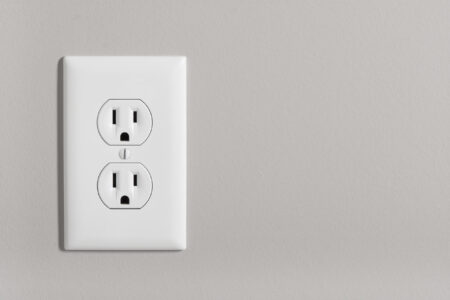
If an electrical outlet in your home is burnt, treat it as a fire hazard: stop using it, shut off power to it at the breaker or fuse box, and call a licensed electrician to inspect and repair it. A burnt outlet, one with dark discoloration, a burning smell, sparks, or heat, signals damage that can lead to an electrical fire or shock if it stays in use. The damage is often a symptom of a deeper problem such as faulty wiring, loose connections, or an overloaded circuit, which is why a professional should find and fix the underlying cause rather than simply swapping the outlet.
Below are the warning signs of a burnt outlet, exactly what to do, and the most common causes.
Found a Burnt Outlet? Do This Now
- Stop using the outlet and unplug anything connected to it.
- Shut off power to the outlet at the circuit breaker or fuse box.
- Call a licensed electrician to inspect the outlet and the wiring behind it before the circuit is used again.
- If you see flames or smoke, leave the area and call 911.
What Are the Signs of a Burnt Electrical Outlet?
Recognizing a burnt outlet quickly lets you take action before it becomes a safety hazard to your home, the people in it, and your belongings. Common signs include the following.
Visible Signs
Dark discoloration around an outlet or its faceplate is the clearest sign of a burnt outlet, and it usually originates from the plug holes. An outlet can burn out without leaving visible marks, however, so stay vigilant for the other signs too.
Burnt Odor
A burning smell coming from an outlet is a clear sign that something is wrong. The odor can vary with the materials involved, since plastic outlets and the rubber insulation around wires give off a strong, distinct smell when they burn. Any burning smell from an outlet points to damage.
Electrical Sparks
Sparks when you plug in or unplug a device signal a clear problem. Even if you do not see other signs of burning yet, whatever is causing the sparks will eventually burn the outlet out, so address it the same way.
Circuit Breaker Tripping
A burnt outlet can cause a circuit breaker to trip repeatedly. Many things trip a breaker, but if yours trips repeatedly and you are not sure why, check your outlets for signs of burning. Do not forget less-used outlets in the garage or on the exterior of your home.
Warm Outlet
An outlet that feels warm or hot to the touch is burnt or about to be. A properly functioning outlet should not feel warm, so even without other signs, treat a hot outlet as damaged.
What to Do If You Have a Burnt Outlet
Once you recognize a burnt outlet, follow these steps exactly. Skipping steps can cause further damage to your home and devices and lead to serious safety issues.
1. Shut the Power Off
Locate your home’s circuit breaker or fuse box and turn off power to the room or area served by that outlet. Some outlets are controlled by a wall switch, but a burnt outlet must be shut off at the breaker or fuse box.
2. Stop Using the Outlet
Do not turn the power back on for this outlet until the problem has been fixed by a professional. Restoring power can cause further damage.
3. Contact a Professional Electrician
After the first two steps, contact a qualified electrician. They will inspect the outlet, identify the source of the problem, and repair the damage so the outlet is safe to use again.
What Causes a Burnt Electrical Outlet?
Several things can burn an outlet, and the underlying reason is often larger than the outlet itself. An electrician will look for these common causes.
Old or Worn Outlet
Outlets wear out with age and become more prone to overheating and burning. In an older home, updating aging outlets is a good way to avoid this problem.
Faulty Wiring
Poorly installed or damaged wiring is a frequent cause of burnt outlets. An electrician can check the wiring at the outlet and elsewhere in your home, and wiring in older homes can wear out and cause issues.
Short Circuit
A short circuit can cause an electrical surge that burns an outlet out. If this is the cause, an electrician must determine what triggered the short circuit and remedy it to prevent future issues.
Loose Connections
Loose wiring inside an outlet creates resistance, and that resistance generates heat that can burn the outlet out. Loose connections are one of the most common reasons outlets overheat.
Overloading
Plugging in too many devices, or a large appliance that needs its own dedicated outlet, overloads the circuit and can burn the outlet. Limit how many devices you connect to each outlet, and plug large appliances only into outlets that meet their requirements.
Why You Should Call a Professional
It can be tempting to repair an outlet without an electrician, but that is a mistake. Electricians have the experience, skills, and knowledge to do it safely. Avoid DIY disasters and call a qualified electrician for these reasons.
Safety
Working with electrical circuits can be dangerous. An electrician can fix the issue without risking injury or further damage to your home, while a DIY attempt can lead to shock or injury.
Prevent Future Issues
When you fix an outlet yourself, you might think the problem is solved while a larger issue remains. Because an electrician inspects your electrical system and finds the underlying cause, they help prevent future failures. Replacing a burnt outlet without fixing the cause will likely lead to another burnt outlet shortly.
Warranties and Insurance
Doing your own electrical work can void insurance coverage or warranties, which often require that electrical work be handled by a qualified electrician. It is not worth having a claim denied to save a few dollars on an outlet.
Frequently Asked Questions About Burnt Outlets
Is a burnt outlet dangerous?
Yes. A burnt outlet is a fire and shock hazard and should not be used. The burning indicates heat damage from arcing, loose connections, or overloading, any of which can ignite surrounding materials or deliver a shock. Shut off power to the outlet at the breaker, stop using it, and have a licensed electrician inspect it before the circuit is used again.
What causes an outlet to burn?
Outlets burn from excess heat, most often caused by loose or faulty wiring, an aging or worn outlet, an overloaded circuit, or a short circuit. Loose connections create resistance that generates heat, while overloading draws more current than the outlet is rated for. An electrician can identify which cause is behind the damage.
How do you fix a burnt outlet?
A burnt outlet should be replaced by a licensed electrician, not patched or reused. The electrician will cut power, remove the damaged outlet, inspect the wiring and connections behind it, repair or rewire as needed, and install a new outlet rated for the circuit. Because the burn is usually a symptom of a wiring or load problem, fixing only the outlet without addressing the cause often leads to a repeat failure.
Can you still use a burnt outlet?
No. Even if a burnt outlet still powers a device, the underlying heat damage makes it unsafe and likely to worsen. Continuing to use it risks an electrical fire or shock. Turn it off at the breaker and leave it unused until an electrician has repaired it.
Can a burnt outlet cause a fire?
Yes. A burnt outlet is one of the more common causes of electrical fires in the home. The same heat, arcing, or loose connection that scorched the outlet can ignite the outlet, the wiring, or nearby wall materials. If you see flames or smoke, leave the area and call 911; otherwise shut off the breaker and call an electrician.
Why is there a black mark around my outlet?
A black or scorched mark around an outlet is soot from heat or arcing inside it, a clear sign the outlet has burnt or overheated. Even without other symptoms, that discoloration means the outlet is damaged and should be turned off at the breaker and inspected by an electrician.
Why did my outlet spark when I plugged something in?
A brief, faint spark when plugging in can be normal, but a large, bright, or repeated spark, or one with a popping sound or burning smell, signals a problem such as loose wiring, a worn outlet, or a short circuit. Stop using the outlet, shut off its breaker, and have it inspected.
Do electrical outlets go bad?
Yes. Outlets wear out over time, especially in older homes. The internal contacts loosen, the grip on plugs weakens, and the outlet becomes more prone to overheating and burning. Replacing aging outlets before they fail is a simple way to prevent burnt outlets and reduce fire risk.
Need Help With a Burnt Outlet in the Fox Valley?
Do you live in Fox Valley, WI, or the surrounding area and need help with a burnt or damaged outlet? Black-Haak is happy to help. We offer extensive electrical services including new home wiring, repair work, lighting installation, and more, along with heating, cooling, and plumbing services. For more information about any of the services we offer, contact Black-Haak today.