
 Call Us (920) 750-7138
  (920) 750-7138

You might think a power surge occurs only during a lightning storm, but your home likely experiences small surges every single day. Every time your air conditioner kicks on, or your refrigerator cycles, your system needs to adjust to the shifting demand, which is likely to create tiny spikes in voltage.
These surges may seem harmless, but they can wear down your electronics and appliances over time. If you have ever wondered what causes power surges, or why devices fail unexpectedly, the answer often lies inside your house. We’ll explain the most common causes of power surges and tell you how to protect your home from recurring electrical surges.
What a Power Surge Actually Is
A power surge occurs when voltage suddenly increases beyond normal levels. Your home’s electrical system expects a steady flow of electricity so that any spike can disrupt that balance. These surges often last only a fraction of a second, but they can still cause serious damage. Sensitive electronics, appliances, and wiring can all suffer when voltage rises too quickly.
Surges affect more than devices. They can also weaken household electrical components over time, increasing the risk of future electrical wiring issues. Here are some causes of power surges you need to know about.
Internal Surges From Appliances and Devices
Most surges occur inside your home. Large appliances, such as air conditioners, refrigerators, and dryers, cycle on and off during the day. Each time they start, they draw a large amount of power, which can create voltage fluctuations. Repeated surges can gradually wear down electronics and shorten their lifespans.
Devices that draw high power also contribute to the problem. Microwaves, space heaters, and other appliances can create similar effects when they operate. While each surge may be small, the cumulative impact can lead to noticeable electrical surge problems over time.
Electrical Wiring Problems
Electrical wiring issues can create unstable voltage throughout your home. Faulty wiring, outdated systems, or poor connections can contribute to surges as well. Loose connections often increase resistance, which disrupts the flow of electricity. This can cause spikes that affect multiple areas of your house.
Older homes face higher risks because their wiring may not meet current electrical demands. As you add more devices and appliances, the system may struggle to keep up. Damaged or deteriorating wiring can also lead to inconsistent performance. These electrical wiring issues not only cause surges but can also create safety hazards if left unaddressed. When you address wiring problems early, you can maintain a more stable electrical system.
Power Grid Issues and Utility Surges
Not all surges will originate inside your home. External factors can also play a role, especially when they involve the power grid. Utility companies occasionally experience issues that send excess voltage through the system. Downed power lines, equipment failures, or switching operations can all trigger surges.
These events often affect multiple homes at once. If you notice widespread electrical problems in your area, the issue may originate in the grid, not your home. While you cannot control external factors, you can take steps to protect your system. Home power surge protection will help to shield your devices from these unexpected spikes.
Lightning Strikes (The Less Common but Most Severe Cause)
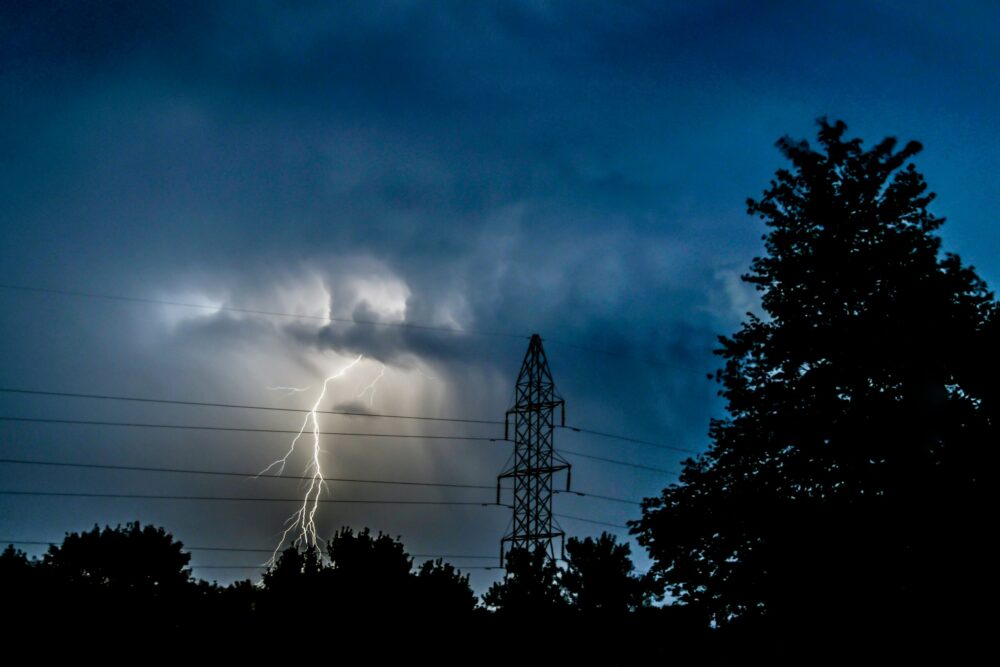
Lightning causes the most powerful surges, even though it occurs less frequently than other events that result in surges. A direct strike or even a nearby strike can send a massive surge through electrical systems. These surges can damage multiple systems instantly. Appliances, electronics, and wiring can all suffer severe damage during a single event.
Since lightning creates such intense voltage spikes, standard protection methods may not provide enough defense. A whole-home surge protector offers stronger protection by managing large surges before they can reach your devices.
Overloaded Circuits and Panels
Overloaded circuits are another common source of electrical surge problems. When too many devices draw power from a single circuit, the system can become overwhelmed. This strain can lead to repeated surges as the system attempts to handle the demand. Breakers may trip frequently, indicating that the circuit cannot support the load.
Electrical panels can also struggle when they do not match your home’s needs. Older panels may not support modern electrical usage, and this increases the risk of surges. Balancing your electrical load and upgrading your panel when necessary can help you prevent power surges and improve overall system reliability.
Warning Signs of Power Surge Problems
Recognizing the signs of surges can help you address problems early. Many homeowners tend to overlook these warning signals until damage becomes more serious. Flickering or dimming lights often indicate unstable voltage. This can occur when your system experiences frequent surges.
Devices that reset or shut off unexpectedly may also point to electrical surge problems. Sensitive electronics often respond first to voltage fluctuations. Smells of something burnt near outlets or devices can indicate overheating or electrical damage. This requires immediate attention to prevent further issues. Frequent breaker trips can also indicate that your system is under stress from overloaded circuits or ongoing surge activity.
How to Protect Your Home From Power Surges
Protecting your home requires a combination of strategies. No single solution can eliminate all risks, but a layered approach will provide you with better results. Start with surge protectors for your individual electronics. These devices help absorb excess voltage and protect sensitive equipment. For broader protection, consider a whole-home surge protector that connects to your electrical panel and protects your entire home from strong surges.
Upgrading outdated panels and wiring can also improve stability. Modern systems handle electrical demands more effectively and reduce the risk of surges. Regular inspections help identify potential issues before they cause damage. Professional evaluations can help you keep your system operating safely and efficiently.
When to Call a Professional Electrician
Some situations require professional attention. If you experience frequent or unexplained surges, contact our team of electricians. Signs of electrical wiring issues, such as flickering lights or burning smells, also require immediate evaluation.
Upgrading your system or installing a whole-home surge protector will require a professional installation. One of our electricians will ensure that the work meets safety standards and functions properly. If you’re unsure about your system’s condition, a professional inspection can help you identify potential problems.
Protect Your Home From Everyday Electrical Damage
Power surge causes extend far beyond lightning, and most surges occur during normal daily activity. Small, repeated surges can slowly damage your electronics and reduce system reliability.
At Black-Haak in Greenville, WI, we can help you invest in home power surge protection and generators and address your electrical wiring issues. Schedule an electrical inspection today.