
 Call Us (920) 750-7138
  (920) 750-7138

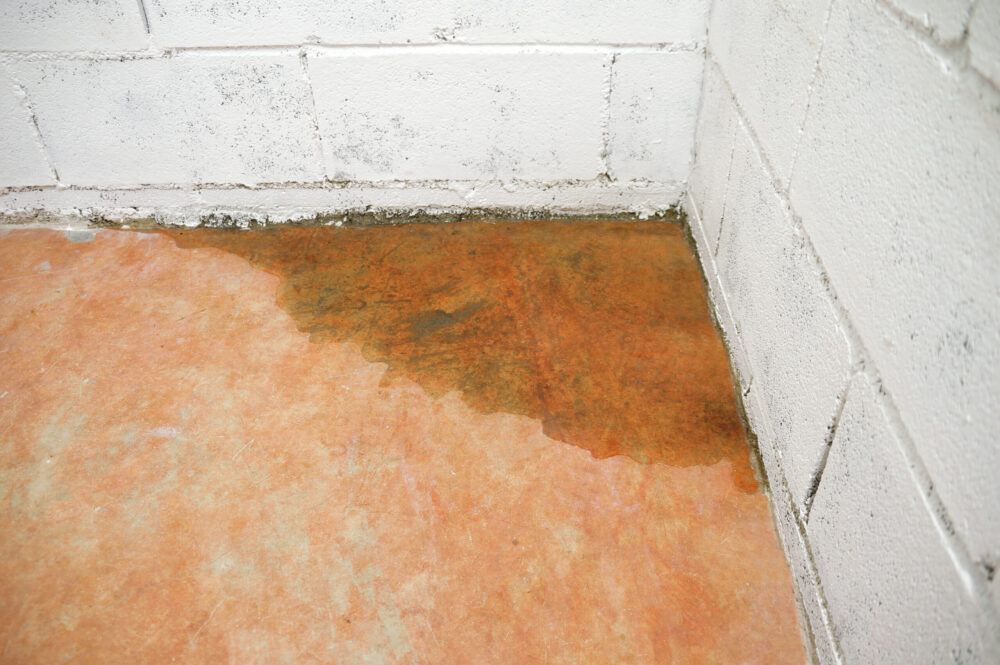
Slab leaks rarely announce themselves with a sudden flood or a loud burst of water. More often, they begin as small, quiet changes that blend into daily life, like a warm patch on the floor, a faint sound behind the walls, or a water bill that slowly creeps upward. These subtle shifts can make it hard to tell when normal household use turns into something more serious. Learn to spot early clues before moisture under the foundation leads to cracked floors, warped walls, or long-term structural problems.
Why Slab Leaks Start Out of Sight and Stay Hidden
A slab leak starts under your feet, which makes it easy to miss. Your water lines sit beneath concrete, surrounded by soil and gravel, so you do not see the first drip the way you would under a sink. The leak might begin as a pinhole in copper or a fine split in a section of pipe. Once water escapes, it does not always rush to the surface. It often spreads sideways under the slab, following open paths through fill dirt and small gaps. You can follow your normal routine for weeks and assume everything is fine.
Small changes tend to show up first. Hot water might run out faster than usual, or you might hear a faint hiss when the house is still. Some homeowners notice one area of flooring feels warmer than the rest, especially if the leak involves a hot water line. The hard part is that these signs can come and go depending on how much water you use and where the leak sits under the slab. The leak keeps going even when you stop thinking about it, and the damage continues in a place you cannot see.
Floor Clues That Point to Water Under Concrete
Floors often give you the first hints that something is happening underneath. With tile, you may hear a hollow sound in a spot that used to feel solid. Water moving under a slab can weaken the material that holds tiles in place and create small pockets. Grout lines might crack in patterns that do not match normal settling, and individual tiles can loosen without any obvious impact or damage.
Laminate and engineered wood tend to show changes along the edges. Boards can swell, seams can separate, and the surface may start to ripple in areas that stay damp. Carpet can hide issues longer, which is why slab leaks can go unnoticed until the odor changes. You might feel a damp patch that keeps returning after drying or notice a musty smell that lingers even after cleaning. In some homes, you can see a white, chalky residue along the base of a wall or on exposed concrete. That residue forms when moisture carries minerals to the surface. These floor clues often point to active moisture rather than a one-time spill.
Water Bill Spikes and the Patterns That Give Them Away
A slab leak can raise your water bill in a way that feels confusing. You may not see water running or hear a toilet refilling, yet the total still climbs because the leak flows day and night. The pattern matters more than the number. If your bill jumps during a month when your habits stayed the same, that change deserves attention. If it rises again in the next billing cycle, the odds increase that water is leaving the system somewhere out of sight.
Some leaks involve a hot water line, which can show up in energy use as well. The water heater works harder because it keeps reheating water that never makes it to a faucet. You might notice the heater cycling more often or running out of hot water during normal routines. You may also notice pressure changes that feel minor at first. The shower’s flow can feel weaker at certain times, or a faucet may take longer to reach full flow. When billing changes and comfort changes show up together, they often point to the same hidden source.
If your water meter has a leak indicator, it may keep moving even when no one is using water. This is a strong clue that water is flowing somewhere it should not. A slab leak can also create subtle pressure swings that show up as sputtering at faucets or brief bursts of air when you first turn water on.
How Leaks Under a Slab Create Structural and Indoor Risks
Water under a foundation can change how your home behaves. Soil shifts when it stays wet, and that movement can affect areas that were stable for years. You may see small cracks in drywall near doorways or along ceiling corners. Doors can start sticking, and cabinets may pull slightly away from the walls. These signs can come from normal settling, but a slab leak can speed up the process by changing what supports the slab below.
Moisture can also travel upward into walls and baseboards. Paint may bubble, trim can warp, and the bottom edge of drywall can soften. If insulation becomes damp, it can hold moisture and spread a musty smell through nearby rooms. Even without visible mold, damp materials can affect indoor air and make rooms feel stale. The longer water moves under the slab, the more parts of the home it touches. A neglected need for repair can turn into a bigger restoration project.
What Happens During a Professional Slab Leak Assessment
When a plumber evaluates a possible slab leak, the process usually starts with your observations. They may ask about changes in your water bill, hot water use, floor conditions, and when you first noticed the signs. They will check visible plumbing areas, shutoff valves, and water heater connections to rule out leaks that are easier to reach before focusing on what might be happening under the slab.
From there, they may use listening tools to trace water movement and moisture detection tools to map where dampness concentrates. They can isolate sections of the plumbing system to determine whether the leak involves a supply line or a drain line. That detail matters because each type of leak points to a different repair approach. Once they narrow down the likely area, they can explain whether a targeted access point, a reroute, or another method makes the most sense to solve the problem while limiting disruption to your floors and living space.
Stay Ahead of Hidden Water Damage
Slab leaks can affect more than your plumbing. They can lead to foundation settling, flooring damage, and mold growth that spreads through walls and insulation. At Black-Haak, we help homeowners with leak detection, pipe repair, and system inspections designed to find issues beneath the surface before they grow into major problems.
If you have noticed changes in your floors, walls, or water usage, schedule a plumbing evaluation with Black-Haak in Greenville, WI, and take a practical step toward protecting your home from hidden water damage.