
 Call Us (920) 750-7138
  (920) 750-7138

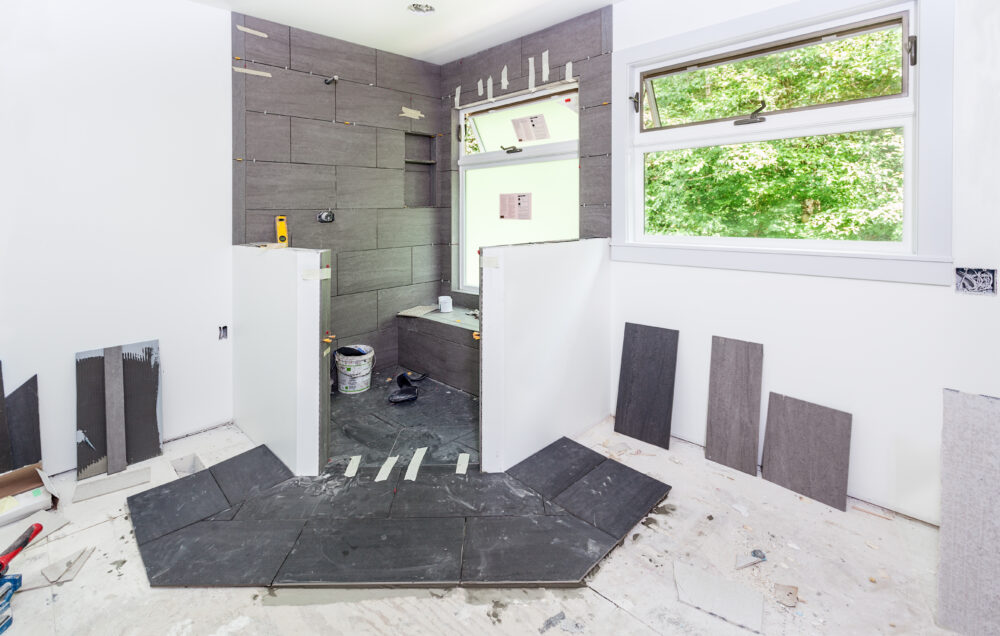
A new shower should do more than give your bathroom a fresh, updated look. Every shower creates moisture, and without the right installation techniques, that moisture can slowly work its way into hidden areas where it causes mold and water damage. This can result in the need for expensive repairs. Choosing quality materials and having the shower installed correctly helps protect walls, floors, framing, and surrounding bathroom materials over the long term.
Why Moisture Control Matters in Shower Installation
Every shower produces a significant amount of water and humidity in the space. Without proper moisture management, water can seep into areas behind walls, beneath flooring, and around fixtures where it may go unnoticed for weeks or months. Over time, trapped moisture can damage drywall, insulation, subfloors, and finishes throughout the bathroom. Proper planning during a shower installation helps contain water where it belongs while directing excess moisture safely into the drain and out of the room using adequate ventilation.
Choose the Right Shower Pan or Base
The shower pan serves as the foundation of the entire shower system. A properly designed pan directs water efficiently toward the drain while preventing leaks beneath the finished surface. A durable pan that is securely installed provides a stable foundation and helps prevent movement, standing water, and leaks.
Correct slope is one of the most important features of any shower base. If water can’t drain completely, it may collect in low spots where soap residue, bacteria, and mildew are more likely to develop.
Use Proper Waterproofing Behind the Walls
Waterproofing behind the finished wall surface protects the bathroom even when small amounts of moisture pass through grout joints or seams. This hidden layer is important when it comes to preventing water from reaching the framing and insulation. Modern waterproofing systems often include waterproof membranes, specialized backer boards, or liquid-applied waterproof coatings installed beneath tile or wall panels. These systems create an additional barrier that helps keep moisture from entering the wall cavity.
Select Mold-Resistant Wall Materials
The materials that surround the shower directly affect its durability and maintenance requirements. Choosing moisture-resistant finishes will help reduce the chances of water damage while making routine cleaning easier. Tile is a popular option because it offers nearly unlimited design flexibility. Solid surface panels provide a sleek appearance with very few seams, while acrylic and fiberglass surrounds offer a low-maintenance alternative that resists moisture effectively.
Large-format wall panels keep growing in popularity because they reduce grout lines and simplify how you clean the shower. Regardless of the material that you select, proper installation remains the key to keeping water where it belongs.
Pay Attention to Grout and Sealant Choices
Grout and caulking may seem like small details in your bathroom, but they are important for protecting your shower from moisture intrusion. Different grout products provide varying levels of water resistance and maintenance requirements.
Epoxy grout resists moisture and staining more effectively than many traditional cement-based grouts, although installation tends to cost more. Cement-based grout may require periodic sealing to maintain its moisture resistance. Flexible silicone caulk should seal corners and transitions around your shower. Inspecting and replacing deteriorated caulk before gaps develop will help to prevent water from reaching hidden areas behind the shower.
Make Sure the Drain Is Installed Correctly
Even the best shower materials cannot perform properly if the drain does not function as intended. The drain must connect securely to the plumbing system while creating a watertight seal around the shower base. Improper drain installation may allow water to leak beneath the shower long before visible damage appears inside the bathroom. Slow drainage can also leave standing water on the shower floor, increasing the likelihood of mildew and soap buildup. An experienced provider of professional plumbing services can ensure the drain and related plumbing connections are installed correctly.
Install Proper Ventilation
A shower introduces more than water into the bathroom. Every hot shower also fills the room with humid air that can condense on walls, mirrors, ceilings, and other surfaces. An appropriately sized exhaust fan removes excess humidity before it settles throughout the room. Good airflow helps dry surfaces more quickly while reducing conditions that support mold growth.
You should run the exhaust fan during every shower and continue operating it for at least 20 to 30 minutes afterward. Bathrooms with limited natural ventilation especially benefit from consistent humidity control.
Avoid Gaps Around Fixtures and Edges
Even small openings around shower components allow a surprising amount of water into hidden spaces. Careful attention to detail during installation eliminates these vulnerable areas. Shower valves, plumbing penetrations, corners, niches, panel seams, doors, and thresholds all need proper sealing. Waterproofing these transition points will keep water from bypassing the finished surface and entering wall cavities. Routine inspections can identify aging caulk before leaks form around these high-risk areas.
Consider a Low-Maintenance Shower Design
A thoughtfully designed shower looks attractive and makes moisture management easier. Simpler layouts tend to reduce maintenance needs while improving long-term durability. Large solid wall panels will eliminate most of the grout joints that require ongoing cleaning and sealing. Frameless or easy-clean shower doors reduce areas where soap scum and mildew commonly accumulate.
Simple designs with fewer corners, ledges, and decorative features will also provide fewer places for water to collect. Choosing easy-to-maintain materials encourages regular cleaning and helps preserve the shower’s appearance.
Choose the Right Shower Door or Curtain Setup
The enclosure also has an important role in containing water in your shower each day. A properly fitted shower door helps prevent water from escaping onto the bathroom floor while you are using it. Frameless glass doors are a popular option because they minimize areas where moisture and soap residue collect. Semi-frameless and framed options offer additional budget flexibility while still providing effective water containment when installed correctly.
A traditional shower curtain also works well when it extends fully inside the shower. This allows it to direct water back toward the drain. Selecting the right enclosure depends on the bathroom layout and your maintenance preferences.
Work With an Experienced Installer
Many shower failures result from installation mistakes, not defective materials. Premium products are not able to compensate for poor waterproofing, improper drain connections, or incorrect assembly. We understand how each component works to create a complete waterproof system. An experienced installer can properly integrate the pan, drain, waterproofing, wall materials, and enclosure to help prevent hidden leaks. Homeowners planning an upgrade can also learn more about the process in our guide to how long a shower replacement takes.
Warning Signs of Shower Installation Problems
Early warning signs will often appear long before major damage is obvious. Identifying these signs quickly can help prevent more extensive repairs down the road. Recurring mildew may be an indication of hidden moisture behind the shower walls. Soft flooring outside the shower, peeling paint, loose tiles, musty odors, cracked grout, deteriorating caulk, or unexplained water stains all require prompt attention.
Build Your Shower to Last
The best shower installation choices focus on much more than appearance alone. Proper waterproofing, effective drainage, quality ventilation, durable moisture-resistant materials, and skilled installation all work together to protect your bathroom from water damage and mold. At Black-Haak, we have been serving the plumbing needs of the Greenville area since 1956. Contact us today to schedule shower installation in your home.