
 Call Us (920) 750-7138
  (920) 750-7138

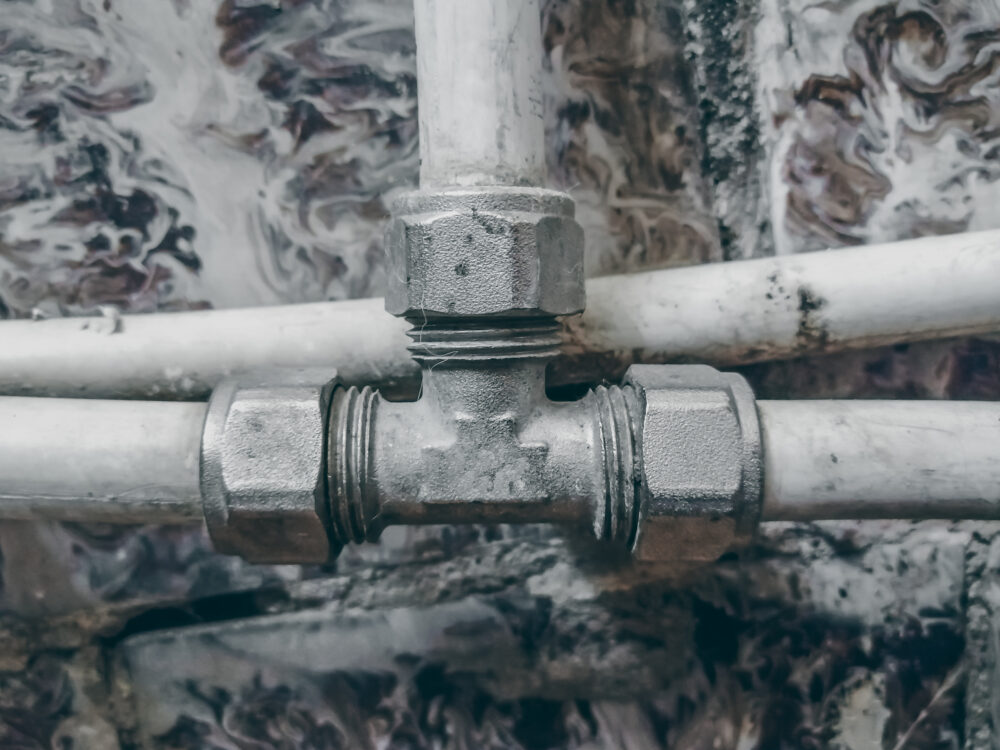
Sediment is a common complaint among homeowners and is not something to ignore. Particles can affect your plumbing, appliances, and water quality. Sediment in water can appear as sand, silt, rust flakes, or cloudy particles. This guide can help you understand the common causes of dirty water from your faucets and the best filtration solutions.
What Sediment in Water Actually Is
Sediment refers to small particles suspended in a water supply. Common types of sediment include sand, silt, rust, minerals, and other debris. These contaminants can come from water supply lines or inside your home.
Changes in water flow can disturb particles that normally remain settled inside pipes. Sediment may become more noticeable after plumbing repairs, water main maintenance, or periods of heavy water usage.
Common Causes of Sediment in Household Water
There are a number of water sediment causes and sources. Identifying these helps determine the solution, such as filtration or pipe repairs
Aging Water Mains and Municipal Supply Issues
Municipal water systems contain extensive networks of underground pipes. As these pipes age, rust, scale, and mineral deposits can develop along interior surfaces. Changes in water flow sometimes dislodge these materials and carry them into residential plumbing systems.
Water main repairs and maintenance projects can temporarily increase sediment levels. Homeowners may notice cloudy water or visible particles shortly after work occurs in the surrounding area.
Well Water Carrying Sand and Silt
Private wells often experience sediment issues because groundwater naturally contains soil particles. Sand and silt can enter the water supply and travel through household plumbing. Changes in groundwater conditions may increase sediment levels at certain times of the year. Wells located in sandy soil often require filtration equipment designed specifically for sediment removal.
Corroded Galvanized Pipes
Older galvanized steel pipes can corrode internally as they age. Corrosion produces rust particles in water that may appear orange, reddish-brown, or yellow. These particles often become more visible after water has sat unused in plumbing lines.
Pipe corrosion can also create a buildup that restricts water flow. Homes with older plumbing systems frequently experience both sediment issues and declining water pressure.
Mineral Buildup From Hard Water
Hard water contains dissolved minerals such as calcium and magnesium. Over time, mineral deposits can accumulate inside plumbing systems and occasionally break loose. These particles often make the water appear white, chalky, or cloudy. While they differ from sand or dirt, they can still contribute to sediment-related issues throughout the home.
Sediment Stirred Up After Repairs or Hydrant Flushing
Plumbing repairs, hydrant flushing, and municipal maintenance can disturb settled debris inside water lines. Temporary discoloration or sediment may appear as water flow returns to normal. Short-term sediment after plumbing maintenance is also possible. Persistent particles usually indicate a separate issue that requires further evaluation.
Signs Sediment Is Affecting Your Plumbing
Sediment often creates noticeable symptoms before larger plumbing issues develop. If you notice signs of problems, it’s important not to ignore them. Long-term sediment issues can cause appliances and fixtures to wear out faster than expected.
- Cloudy or discolored water
- Gritty particles in sinks, tubs, or showers
- Reduced water pressure
- Clogged faucet aerators
Why Sediment Can Damage Appliances and Fixtures
Continued sediment buildup reduces plumbing system efficiency and can wear down fixtures and appliances. Water heaters are particularly vulnerable because sediment settles at the bottom of the tank. As layers accumulate, heat transfer becomes less efficient, putting a strain on the equipment.
Washing machines and dishwashers contain valves, pumps, and internal passages that can be affected by abrasive particles. They are more likely to wear out faster due to high sediment levels inside your water supply.
Faucet cartridges and plumbing valves contain narrow openings that can clog when particles accumulate. Restricted movement inside these components may affect water flow or fixture performance.
Different Types of Water Filters for Sediment Problems
Several filtration options can address different sediment concerns. The best choice depends on the size, type, and concentration of particles present in the water supply.
Sediment Filters for Sand and Debris
A sediment water filter captures suspended particles before they reach fixtures and appliances. These filters commonly remove sand, silt, rust, and other debris using replaceable media filters. Micron ratings determine how small a particle the filter can capture. Lower micron ratings capture smaller particles, while higher ratings target larger debris.
Spin-Down Filters for Larger Particles
Spin-down filters separate larger particles before they reach finer filtration equipment. The system uses a spinning action to remove sand, grit, and heavier debris from the water stream. We commonly install spin-down filters on well systems.
Whole-House Filtration Systems
A whole-house sediment water filter treats water at the point it enters your home. This approach helps prevent particles from reaching fixtures, appliances, and plumbing components throughout the property. Whole-house water filtration systems work well when sediment affects multiple faucets or when the water source is the main water supply.
Water Softeners for Hard Water
If mineral buildup is the primary problem, the best solution may be a water softener. These systems use an ion-exchange process to remove calcium and magnesium.
Multi-Stage Water Filtration Systems
Some homes experience sediment alongside other water quality concerns. Multi-stage water filtration systems combine sediment removal with additional treatment technologies.
Which Filter Is Best for Your Situation?
The most effective filtration solution depends on the specific type of sediment present in the water supply. For instance, fine particles often require smaller micron filters. Water testing helps determine which contaminants are present so we can choose the right water filtration systems.
Well water systems often benefit from a whole-house sediment filter because sediment enters the plumbing system before reaching individual fixtures. Treating water at the entry point protects the entire home plumbing system.
Heavy concentrations of rust particles in water may require specialized filtration equipment designed for corrosion-related contaminants. In some cases, aging plumbing materials may also require replacement.
When Sediment Indicates a Larger Plumbing Problem
A sudden increase in particles or water discoloration may indicate pipe corrosion, water supply issues, or excessive buildup inside plumbing equipment. Rust-colored particles often indicate deteriorating pipes that may require replacement. Additionally, persistent pressure loss could indicate sediment accumulation in the plumbing lines or valves.
Water heater sediment buildup can cause performance issues. You may notice your water heater no longer heats water as effectively or that your electricity bills rise. These are signs you need to call a plumber for further investigation.
When to Call a Professional
Sediment issues can become a chronic problem that affects every area of your plumbing system. Ignoring problems will only cause them to worsen and increase the risk of permanent damage. At Black-Haak, we’re available to help you choose the right filtration system.
- Sediment even after basic filtration
- Source of particles is unclear
- Possible pipe corrosion
- Issues with well water quality
Cleaner Water Starts With Identifying the Cause
Sediment in water can impact everyday comfort, reduce plumbing performance, and shorten the lifespan of appliances. The right filtration system depends on where the sediment is coming from and the types of particles it contains. Professional testing and filtration solutions can identify the cause and protect your water supply. For water filtration systems in the Fox Valley area, contact Black-Haak.