 Call Us (920) 750-7138
  (920) 750-7138

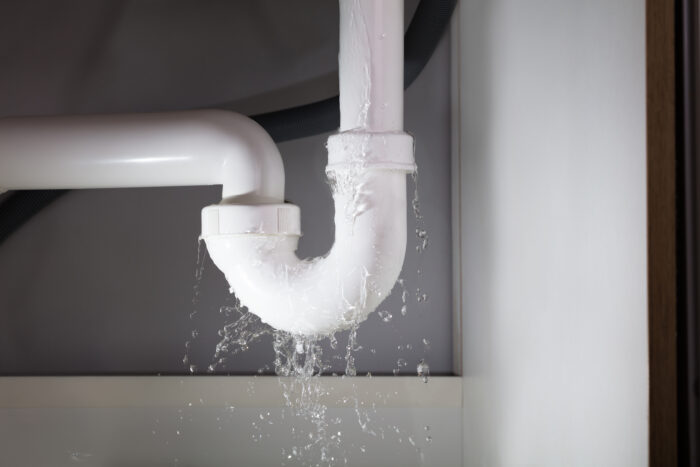
Plumbing problems rarely begin with a burst pipe. They tend to develop quietly, often hidden behind walls or under floors until you notice a stain, a drop in pressure, or water where it does not belong. Understanding whether you are dealing with pipe corrosion or an active leak helps you respond appropriately from the start. At Black-Haak, in Greenville, WI, we help homeowners identify early warning signs before small pipe issues turn into expensive damage. Knowing what to look for gives you a chance to act early and protect your home’s plumbing system. If you suspect a developing issue, professional plumbing service in Greenville, WI can help identify the problem before it spreads.
How Corrosion Starts Before You Ever See a Leak
Pipe corrosion is slow damage to the pipe material itself. Water, minerals, and oxygen interact with metal and begin eating away at the surface. You will not always see it at first because much of your plumbing sits behind drywall, under floors, or in cabinets you rarely open. Corrosion often begins at weak points where water chemistry, friction, or past repairs have left the pipe surface vulnerable. A small rough patch inside the pipe can catch minerals and create a spot where buildup keeps forming. That area narrows the water path, increases turbulence, and adds more wear.
You may still have dry floors and no obvious drips while corrosion is already underway. Think of corrosion as the pipe losing strength in tiny layers. The leak develops later, when a pinhole forms, or a joint can no longer hold pressure. If you catch corrosion early, you can prevent the surprise leak that shows up as a ceiling stain or a warped cabinet base.
Early Clues in Water Color, Taste, and Fixture Staining
Your water can tell you a lot about what is happening inside the pipes. If you notice a rusty tint when you first turn on a faucet, that can suggest corrosion in metal piping or rust in a water heater tank. A metallic taste can also hint at pipe material breaking down or minerals reacting with older lines. Pay attention to patterns. If discoloration shows up only in hot water, the issue may sit closer to the water heater. If you see it in both hot and cold, the source could lie in the supply piping.
Fixture staining is another clue. Orange or brown streaks in sinks and tubs can come from iron in the water, yet they can also reflect internal pipe corrosion that is shedding particles. Blue-green staining around fixtures can indicate copper corrosion, especially near joints. You might also see a white crust around faucet aerators where minerals collect after repeated evaporation. These clues do not confirm an active leak. However, they do suggest the plumbing system needs a closer look before damage moves from inside the pipe to your walls and flooring.
What Pipe Surfaces and Joints Can Reveal in Exposed Areas
When corrosion reaches exposed piping, it often shows up as texture changes. A smooth metal surface may become pitted or scaly. You might see flaking, dull spots, or areas that look powdery. On copper, you may notice dark discoloration near fittings or a greenish film along a joint. On galvanized steel, rust can appear at threaded connections and along horizontal runs where moisture sits.
Joints matter because they concentrate stress. Water changes direction at elbows, slows at tees, and shifts pressure at valves. If corrosion is present, these spots can be the first to fail. You may notice mineral buildup around a joint that looks like dried drips. That residue can form even when the leak is tiny and intermittent. Another sign is a clamp or patch from an older repair.
How Active Leaks Behave Differently Than Corrosion Problems
Corrosion weakens pipes, while a leak is water escaping right now. The early signs often feel different. A leak commonly creates a damp smell, a soft spot in drywall, or flooring that begins to cup at the edges. You might notice paint bubbling near a baseboard or a cabinet floor that never feels fully dry. Leaks also change with water use. Stains may grow after showers or laundry cycles, then pause when the house is quiet.
Corrosion can exist without obvious moisture outside the pipe. You may have normal-looking walls while water pressure drops slightly because the pipe interior is narrowing. A leak tends to cause local damage, while corrosion can affect performance across multiple fixtures. A pinhole leak can spray a fine mist inside a wall cavity, which spreads moisture farther than you would expect from the size of the hole. That mist can soak insulation, promote wood swelling, and create staining in a room that is not directly adjacent to the pipe. If you see recurring dampness with no clear source, treat it as a potential leak until a professional diagnoses the issue.
Where Hidden Leaks Most Often Show Up in the Home
Hidden leaks usually reveal themselves through the materials around them. Drywall is an early indicator because it stains and softens once it absorbs water. Ceilings often show round discoloration under bathrooms, laundry areas, or kitchens. Cabinets can warp along the base panel where water collects. Flooring can separate at seams or feel spongy near a wall. You might also notice a musty odor in a room that used to smell normal. Odor matters because it can appear before obvious staining.
Supply leaks tend to show up quickly because pressure pushes water out whenever the line is active. Drain leaks can be slower and may only occur during use. Corrosion-related leaks often start as pinholes in metal supply lines, which can create fine spray. That spray can travel farther than a drip, soaking a wider area. If you see staining that grows in a direction that does not match gravity, suspect mist. Another clue is a sudden jump in your water bill with no change in household habits. A professional leak detection service can confirm whether the system is losing water and locate the source without relying on trial-and-error wall opening.
How Professionals Confirm Corrosion vs. Leaks and Choose the Next Step
A proper evaluation starts with narrowing down whether you have material breakdown, active water loss, or both. A plumber may begin with visual inspection of exposed piping and fixtures, then move into targeted testing. Pressure testing can reveal whether the supply system holds steady or drops when you shut the fixtures off. Moisture meters can help identify wet areas behind surfaces without cutting open large sections of drywall. In some cases, thermal imaging helps reveal temperature differences that suggest water movement behind walls.
Corrosion often leads to a longer conversation about pipe condition across the house. If multiple areas show pitting, scaling, or frequent repairs, localized fixes may turn into a repeating cycle. A targeted repair may be all it takes to fix a leak if the surrounding pipe material is healthy. However, if the plumber finds widespread deterioration, they may recommend a plan that reduces future failures, like partial repiping or replacing a problem material. The goal is to match the solution to what the system is doing now.
Catch the Signs Before Problems Spread
Pipe corrosion and pipe leaks are related, yet they are not the same thing. Corrosion breaks down pipe material gradually, often due to water chemistry or age, while a leak means water is escaping from a crack or failed joint. Beyond visible repairs, services like leak detection, pipe inspections, and repiping address deeper concerns. At Black-Haak, we diagnose pipe damage carefully so you can choose the right solution.
Schedule a plumbing inspection with Black-Haak to deal with early warning signs before they lead to larger problems.