 Call Us (920) 750-7138
  (920) 750-7138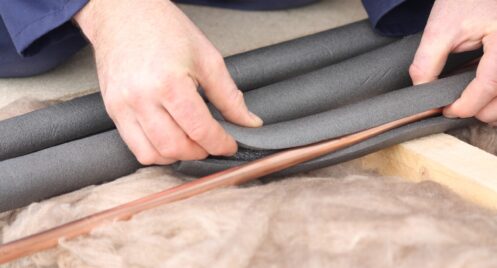
Plumbing maintenance is an essential task that can protect your home while ensuring you have convenient and reliable use of this system. At Black-Haak, we help homeowners tackle seasonal changes with clarity and care. Let’s walk through what your plumbing system needs this fall to stay ready, responsive, and clean through the colder months.
Check Outdoor Spigots Before the First Freeze
Most people stop using their hose long before the first frost hits, but that doesn’t mean the hose bib is safe. If you leave a garden hose connected as the weather becomes cold, water trapped in the line can freeze right inside the spigot. This can cause the fitting to split inside the wall. You might not know anything’s wrong until months later, when spring rolls around and water starts leaking into your home.
If your system has frost-free hose bibs, you still need to disconnect any hoses and inspect the opening for rust, cracks, or excess dripping. Some homeowners use insulated faucet covers. If your spigot is already protected by an interior shutoff and the pipe is well-wrapped, that’s usually enough. The key is to remove all water before freezing nights arrive. Otherwise, you’re inviting hidden ice into your plumbing system that no one can reach without cutting into the wall.
Test the Sump Pump Before Wet Weather Returns
It’s easy to forget about your sump pump in fall, especially if you didn’t deal with much rain. But early fall storms can dump several inches of rain quickly, and all that runoff heads straight for the lowest part of your home. If your sump pump has been used minimally recently, it’s a good idea to test it.
An inspection of your sump pump includes taking off the lid and looking for any buildup like sludge, dirt, or rust near the float switch. After that, fill a bucket with water and pour it into the pit to test the system. A working pump should turn on by itself and clear the water out within a few seconds. If it lags, runs loudly, or fails to switch off, that’s a sign the mechanism needs cleaning or replacement. It’s also important to check where the discharge line runs outside. If leaves or dirt have blocked the exit, that backup pressure could force water right back down into the pit. If you find issues, call for sump pump repair right away.
Inspect Shutoff Valves and Supply Lines
Fall is a great time to check the hidden pieces you rely on but rarely look at. Supply lines under sinks, behind toilets, and near water heaters tend to wear out slowly. You might not notice tiny drips at first, but over time, that moisture leads to warping, soft wood, and mold under cabinetry. Grab a flashlight and run your hand along the line. If you feel a crack, see green corrosion, or notice water pooling where it shouldn’t, it’s time to swap it out.
Each shutoff valve should be tested by gently turning it clockwise and then back. If it sticks, grinds, or refuses to budge, steps can be taken now to remedy the problem. Replacement valves are inexpensive, but the damage from a faulty one can cost thousands. Brass valves tend to hold up longer, but even those can seize after a few years. If it’s been more than five years since you last touched the valve, don’t assume it still works.
Prep Your Water Heater for Cold Months
Hot water usage rises as the temperature drops. More showers, more dishes, and longer heating cycles all add strain to your tank. If your water heater hasn’t had any maintenance recently, it might be running with a layer of sediment sitting at the bottom. That buildup forces the unit to burn hotter and longer just to get the water to the same temperature, which means higher energy bills and shorter equipment life.
To keep it running smoothly, we can flush water out using the drain valve near the base. It’s important to let the water run until it looks clear. If it’s dark, gritty, or smells metallic, that’s sediment making its way out. We can also check your temperature setting. If it’s above 120 degrees Fahrenheit, you’re wasting energy. Some systems may require checking the anode rod, which prevents internal corrosion.
Look for Leaks in Unused Spaces
Fall weather drives people indoors, often resulting in more frequent use of your plumbing system. It’s important to ensure areas like bathrooms, basements, or laundry rooms Don’t have leaks. Walk through every room that has a plumbing fixture and check for stains on ceilings or walls. Look for pooling water underneath pipes.
Open cabinet doors and feel around the back corners for dampness or softness. Even a slow leak will leave a trail if you look closely enough. In bathrooms that don’t get much use, flush the toilet and run both taps for a few seconds. This helps refresh the trap seals and prevents sewer gas from creeping into the room.
Consider Scheduling Drain Cleaning
Debris can collect in and near drains. If your bathroom drains bubbles or your kitchen sink makes a sloshing noise when draining, this is a sign you might be dealing with a partial blockage.
Avoid harsh chemical drain cleaners, which can corrode pipes. Instead, we can use a hand auger or drain snake to clear the obstruction. If the clog keeps returning, you might have an issue deeper in the line. Tree roots tend to grow aggressively toward sewer lines during dry summers, and by fall, they can crack or squeeze through older joints. Watch for signs like slow-draining tubs, gurgling toilets, or water backing up in unexpected places. Addressing these symptoms early with professional drain cleaning makes a huge difference in avoiding messy winter backups when pipes are more brittle and harder to work on.
Seal Gaps Around Pipes Leading Outside
As outside temperatures drop, critters look for easy ways to get into your home. Gaps around pipes become front doors for mice, spiders, and other pests. Take a walk around the exterior of your home and look for holes or cracks where pipes enter the wall. If you can feel a breeze or see daylight, that gap is big enough to cause trouble.
Inside, check utility rooms and under-sink cabinets for similar openings. Use a can of expanding foam or caulk to seal up the space. Just be careful not to block ventilation pipes or anything marked for combustion. A small gap might seem harmless, but if it leads to your crawl space or insulation, it becomes a problematic area quickly. Once pests settle in, they often chew on wiring, insulation, or even plastic piping, creating expensive repairs that could have been prevented.
Schedule Your Fall Plumbing Visit Today
A fall plumbing check prevents stress during the cooler times of the year. From protecting your outdoor spigots to knowing what’s happening inside your water heater, fall gives you a brief window to schedule an inspection and maintenance. If anything looks off, sounds strange, or just hasn’t been looked at in years, now’s the time to take care of it.
Black-Haak can inspect, adjust, or repair what’s needed before the snow has a chance to bury the problem. Schedule your fall plumbing visit today and get your home set up to handle winter like it should with Black-Haak in Greenville, WI.