
 Call Us (920) 750-7138
  (920) 750-7138

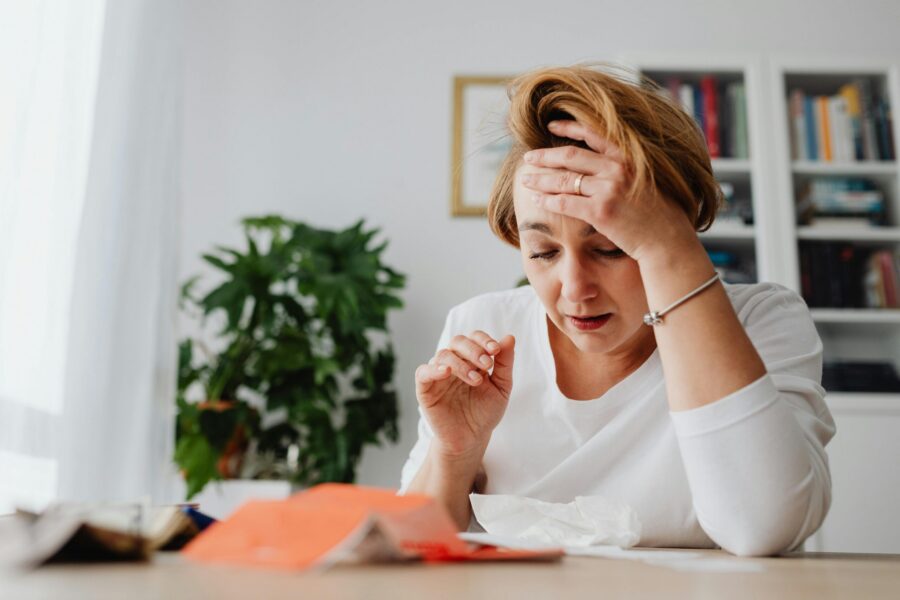
Carbon monoxide poisoning is a serious issue that kills approximately 400 people per year. Even worse, it’s known as the silent killer because you can’t see, smell, or taste it. To keep your family safe, it’s important to be fully aware of the many warning signs you should never ignore. Fortunately, our team at Black-Haak is here to let residents of Wisconsin’s Fox Valley know how to avoid carbon monoxide poisoning.
What Is Carbon Monoxide Poisoning?
Carbon monoxide occurs naturally in the human body. The body naturally releases small amounts of it, and it can inhibit platelet aggregation and help regulate blood pressure. It also has an anti-inflammatory effect.
However, carbon monoxide becomes dangerous when you inhale it from any external source. For example, inhaling it due to having a faulty furnace will prevent oxygen delivery. This happens because carbon monoxide can bind itself much more strongly to hemoglobin than oxygen can. Over time, it can cause cellular damage and worse. It is also likely to cause you a lifetime of health issues.
Engines and appliances that lack proper ventilation can encourage carbon monoxide to accumulate. This buildup becomes even worse in a space that is tightly enclosed. This is the reason why running an automobile in your garage with the door closed is so dangerous to your health. In that small space, it can kill you in as few as five to 10 minutes. In your home, carbon monoxide can kill within one hour.
Carbon Monoxide Poisoning by Concentration
Carbon monoxide can build up extremely fast. Let’s examine four different carbon monoxide levels using parts per million (ppm):
- 200 ppm – Causes a slight headache and brings on fatigue within a couple of hours
- 400 ppm – Nausea and headache begin in one to two hours and become life-threatening at three or more hours
- 800 ppm – Nausea, headache and dizziness within 45 minutes; unconsciousness and/or death occurs in two to three hours
- 1,600 ppm – Severe headache starts almost immediately with nausea joining in within 20 minutes; death can occur in just one hour
5 Furnace and Boiler Warning Signs
Now, let’s take an in-depth look at your furnace’s attempts to warn you that something isn’t right. You need to be aware that while these issues could have to do with carbon monoxide, they could also indicate a different problem altogether. Either way, though, it’s critical to take these issues seriously.
1. Condensation
If condensation is becoming a problem in your Fox Valley home, you may have a carbon monoxide leak. Pay close attention to the walls near your furnace. Additionally, keep an eye on your windows to spot any other indicators of a condensation issue.
2. Flame Color
Your heating appliance’s flame should always remain blue and steady. If it’s orange, yellow or flickering, it could mean incomplete combustion. When this happens, you most likely have a carbon monoxide leak and need to take steps to address it immediately.
3. Pilot Light
Do you seem to have a lot of trouble keeping your furnace’s pilot light lit? This is another clue that you may be experiencing a carbon monoxide leak.
4. Odors
If your home smells stuffy or has an odor like burning or gas, these are all potential indicators that carbon monoxide is actively leaking into your home. To be safe, you need to have your HVAC system checked right away.
5. Soot or Stains
If your furnace, nearby walls or vents begin showing yellow, brown or black soot, it’s a bad sign that you need to check out immediately. Rust stains could also signal a carbon monoxide leak.
Common Side Effects of Carbon Monoxide Poisoning
When a carbon monoxide leak occurs, the only way you can tell is by having a detector installed. Before your carbon monoxide detector even goes off, though, you may begin to notice some mild symptoms. Many of these symptoms feel like the flu, but they’re actually affecting your heart and brain.
The most common symptoms of carbon monoxide poisoning are:
- Weakness
- Headache
- Dizziness
- Shortness of breath
- Nausea or vomiting
- Confusion
- Sleepiness
- Blurred vision
More Severe Carbon Monoxide Symptoms
Anyone who deals with more severe exposure to carbon monoxide may develop additional symptoms. These include:
- Impaired judgment
- Fainting
- Rapid heart rate
- Irritability
- Seizures
- Loss of muscle control
- Loss of consciousness
If you’ve reached a state of prolonged or higher exposure, call 911 or go to a hospital. Because of the specific symptoms involved, it’s wise to have someone else drive you.
What to Do if You Feel the Above Symptoms
It’s vital to go outside into the fresh air right away anytime you think your home could have a carbon monoxide leak. Next, call emergency medical services immediately. No matter what the situation is, do not go back inside your home until a professional deems it safe to do so.
Symptoms You May Feel After Recovery
Even after you’ve fully recovered from carbon monoxide poisoning, it can still have negative effects on your body. These include:
- Personality changes
- Depression
- Memory loss or dementia
- Balance issues
- Parkinsonism
As you can see, these aftereffects can impact your life dramatically. Personality changes could make you more aggressive, uninhibited and/or impulsive. They could also have deleterious effects on your relationships, which could impact your job as well.
Special Considerations
Adults don’t tend to show symptoms as quickly as children and pets. Your pets are likely to display symptoms first, so keep an eye out for weaknesses and unresponsiveness. Meanwhile, children may experience subtle symptoms at first, such as feeding difficulties or fussiness. The best way to keep your family safe is to install a carbon monoxide detector.
Carbon monoxide poisoning dates back to at least the 300s BCE, which was when Aristotle noted that deaths and headaches were linked to coal fumes. In other words, this dangerous gas has almost always plagued people, although no one synthesized it until 1772. Although it was identified as a distinct molecule in 1800, it took until the mid-20th century for people to begin transitioning from coal gas to natural gas. This dramatically reduced the amount of carbon monoxide deaths.
Choose Fox Valley’s Top-Notch HVAC Team
Carbon monoxide still presents a threat if you’re using a gas-powered HVAC system and/or appliances. This is just one reason to get seasonal maintenance performed on your HVAC. After all, when you see Black-Haak, it means service! We’ve been here for the community since 1956 and provide comprehensive HVAC services. Our expert team has earned a 4.9-star average Google rating from more than 7,100 satisfied reviewers. We received our accreditation from the Better Business Bureau in 2006, along with our A+ rating.
Do you need someone to check out your heating system for carbon monoxide issues in the Fox Valley? Reach out to Black-Haak today, and we’ll help you keep your family safe and healthy.