 Call Us (920) 750-7138
  (920) 750-7138

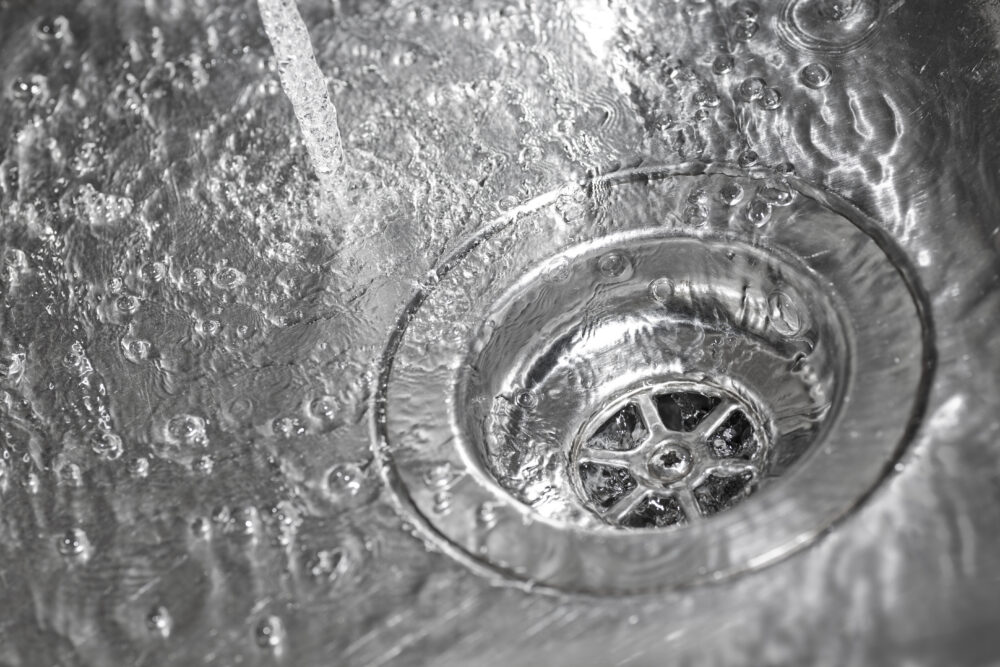
Malodorous, clogged, and slow-moving drains are clear indications of drain and sewer line issues. However, drain and sewer problems aren’t always visible from inside your home, and recurring drainage problems can have causes hidden deep within your pipes. Scheduling a drain camera inspection in Greenville, WI, allows a plumber to see inside your drain and sewer lines and pinpoint the source of the problem.
Inspection cameras attach to slim, flexible hoses and can travel the length of sewer lines while providing real-time insights. Whether you have recurring drainage issues or an active whole-house backup, a sewer camera inspection will provide a fast, accurate diagnosis. A drain camera inspection can reveal sewer pipe bellies, offset pipe connections, age-related wear, blockages, tree root intrusion, and more.
What Is a Drain Camera Inspection?
During a sewer camera inspection, your plumber will insert a flexible scope into a plumbing cleanout. The inspection camera attaches to this scope and moves through your wastewater pipes and sewer line to search for problems. Black-Haak uses sewer line inspections to find cracks, pipe separation, intrusive roots, failing pipes, and other common problems. These services also inform our sewer and drain repairs.
Pipe Bellies
Over time, sewer pipes can develop low-hanging sections. These dips give sewer pipes a distinctive “U” shape. These sewer line bellies disrupt the flow of wastewater and trap both liquid and solid waste. Sewer bellies can form as the result of poor installation, shifting soil, soil erosion, or soil compression.
Residential wastewater systems rely on gravity to keep liquid and solid waste moving through sewer lines and toward the municipal sewer main. When sewer lines develop bellies, trapped waste can lead to slow-moving drains indoors and sewer line leaks. If you’re not proactive about fixing these sagging segments, sewer bellies can also cause whole-house backups.
Pipe Offsets and Separations
When two connected sections of a sewer line shift apart, this is called an offset. Offsets cause sewer lines to leak waste into the nearby soil. Not only does this cause soil contamination, but it also increases pipe movement. As wet soil becomes increasingly heavy, offset pipe sections can move further apart or develop other structural damage.
Offset pipes and pipe separation are often the result of ground movement. Heavy foot traffic, heavy lawn equipment, and other weighty items can compress the soil above sewer lines. Natural soil shifting and soil erosion can create voids beneath sewer pipes that cause offsets and stress-related pipe damage.
With offsets, waste and wastewater lack a clear path away from homes and to the municipal sewer main. Not only does this disrupt wastewater flow, but it also creates areas where pathogenic debris collects.
Cracked or Broken Pipes
Some forms of sewer line and drain pipe damage are entirely age- and wear-related issues. As pipe materials age, they can develop heavy corrosion. Over time, rust can make cast iron pipes thinner and weaker. When you pair this with the pressure and stress of shifting soil and constant use, the thinning can lead to fast-spreading cracks.
Concrete and clay sewer pipes become brittle over time. Repeated expansion and contraction due to temperature changes can lead to hairline cracks that quickly spread. No matter what material your wastewater pipes are, changes in their integrity can attract nearby tree and weed roots.
A sewer camera inspection can reveal the location and severity of cracks and other visible pipe damage. With this information, our plumbers can determine whether pipe repair, pipe lining, or replacement services are the most appropriate solution.
Tree Root Intrusion
As damaged pipes leach moisture and their nutrient-dense contents into the surrounding soil, underground roots can grow toward and into them. Although tree roots can enter damaged pipes via cracks just millimeters wide, their rapid growth widens these openings and accelerates pipe damage.
Once inside sewer pipes, invasive roots can grow exponentially. They have all the resources they need to flourish. Their ongoing expansion restricts wastewater flow and can eventually block sewer lines completely.
Blockages and Buildups
A drain camera inspection can also reveal the need for drain cleaning or sewer line cleaning. Treatments like rooter service and hydrojetting break down trapped grease, scale, slow-degrading materials, and other obstructions. Drains and sewer lines can harbor buildups of soap scum, body oils, biofilms, hair, and more. With the camera footage, our plumbers can determine whether you need drain cleaning or a drain repair service to keep your wastewater moving in the right direction.
When Should You Schedule a Camera Inspection?
You should schedule a drain camera inspection whenever you suspect damage to the drain pipe. Problems like recurring clogs, slow drains, backups, and sewer odors are all indications that you need a sewer camera inspection. You should also schedule an inspection whenever problems persist after drain or sewer line cleaning.
What Happens After the Inspection?
Drain camera inspections pinpoint the exact locations and causes of sewer line problems and drain pipe damage. They help plumbers determine the next step, whether this is drain cleaning, pipe repair, pipe lining, or pipe replacement. At Black-Haak, we also use camera inspection services to determine whether pipe lining is a suitable repair option given the age and integrity of pipes and the nature of existing problems.
Find Drain Damage Before It Gets Worse
When it comes to diagnosing drain pipe damage and sewer line problems, drain camera inspection services eliminate guesswork. Our plumbers can investigate recurring drain issues with a sewer camera inspection before your sewer line ruptures, leaks, or sends wastewater rushing back into your home. At Black-Haak, we use cutting-edge technologies for accurate insights and to determine the best sewer and drain repair techniques.
For a sewer line inspection in Greenville and expert drain repair services, contact Black-Haak.