
 Call Us (920) 750-7138
  (920) 750-7138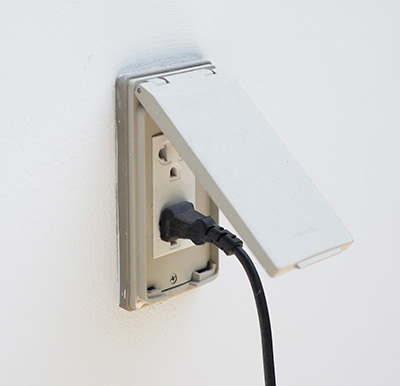
Summer is the perfect season for backyard barbecues, landscaping projects, and evenings spent under the stars. But all these activities often require reliable access to electricity. Instead of relying on long, tangled extension cords that pose tripping and fire hazards, adding outdoor power outlets can make your summer projects easier, safer, and more enjoyable.
Why Install Outdoor Power Outlets?
Outdoor power outlets bring convenience and safety to your home’s exterior spaces. Whether you’re setting up a sound system for a cookout, plugging in string lights for ambiance, or powering up hedge trimmers, having access to electricity outside saves time and energy.
Beyond convenience, outdoor outlets reduce reliance on running extension cords from inside outlets, which can cause doors or windows to stay partially open. This creates safety concerns such as tripping hazards, moisture intrusion, or even overloading interior circuits. Properly installed outdoor outlets give you power exactly where you need it, when you need it.
Choosing the Right Outdoor Outlet
Not all outlets are designed to withstand the elements. For outdoor use, weather-resistant outlets and covers are essential. These are built to handle temperature fluctuations, rain, and humidity.
Additionally, every outdoor outlet should be equipped with a Ground Fault Circuit Interrupter (GFCI). GFCI outlets are designed to shut off electricity instantly if moisture or a ground fault is detected, protecting you and your family from electrical shock.
Placement is also critical. Outlets should be installed in accessible locations near patios, decks, or outdoor workspaces. Positioning them strategically reduces the need for multiple extension cords and ensures your setup remains safe and functional.
The Installation Process for Outdoor Outlets
Installing an outdoor power outlet involves several important steps to ensure safety and performance:
- Assessment of electrical capacity: A professional electrician will evaluate your home’s electrical panel to confirm it can handle the added outlet.
- Running wiring to the chosen location: The new circuit or extension wiring must be carefully routed through walls or conduits to reach the outdoor area.
- Installing outlet boxes and weatherproof covers: The outlet must be housed in a weatherproof enclosure to protect it from rain, snow, and other elements.
- Testing for safety and functionality: Once installed, the outlet should be tested to ensure it operates correctly, trips when required, and is properly grounded.
This type of installation requires experience with electrical systems and tools and can be highly unsafe if done incorrectly.
Safety Precautions & Code Compliance
Outdoor electrical work must follow local codes to ensure safety and compliance. Improperly installed outlets can result in electrical shock, fire hazards, or water damage. That’s why this is not a recommended DIY project.
Licensed electricians understand the National Electrical Code (NEC) and local regulations, ensuring your new outlet is installed correctly and safely. Professionals also know how to choose the right protective covers, conduit, and grounding methods to safeguard your investment.
Schedule Professional Electrical Services With Black-Haak Today
Don’t let unsafe extension cords or limited access to power hold you back this summer. Adding outdoor outlets is one of the simplest ways to improve your home’s safety, functionality, and comfort. Since 1956, our team at Black-Haak has proudly served local homeowners with a commitment to honesty, integrity, and family values. With technicians on call 24/7, same-day service availability, and over 60 years of trusted expertise, we strive for complete customer satisfaction with every service we provide.
Make your summer projects safer and easier — schedule your professional electrical service today and enjoy the benefits of properly installed outdoor outlets.