 Call Us (920) 750-7138
  (920) 750-7138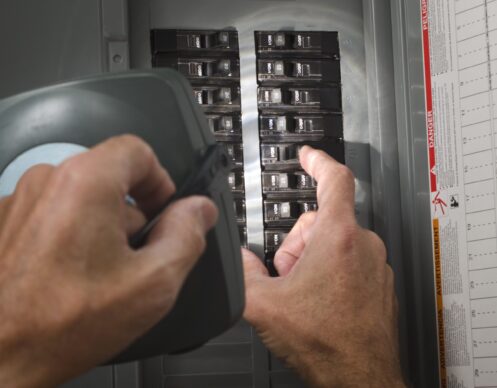
You rely on electricity for more than lights and phone chargers. With air fryers, electric vehicles, smart thermostats, and backup battery systems, the load on your panel may be heavier than it looks. Most of these devices run quietly in the background, but they still need the correct setup behind the walls. If your panel is stuck in the past, it might not handle that load as safely or smoothly as you think. Black-Haak in Greenville, WI works with homeowners who want to update electrical panels before something shorts, stalls, or sparks.
Old Panels Weren’t Built for Today’s Appliances
Modern appliances use more power, more often. When your home was built, the panel may have only needed to power a few large devices like a refrigerator, a basic oven, and a furnace fan. Today’s home setups are full of equipment that did not exist back then. Induction cooktops, heated bathroom floors, high-speed chargers, and even luxury coffee makers all need more juice.
While most people think a breaker trip is just annoying, it’s often a warning. Your panel only has so much space and capacity. As that load increases, the margin for error narrows. If too many devices compete for the same circuit, you could get flickering lights, short-cycling equipment, or overheating wires. Even if nothing visibly fails, that heat can start to wear down wires behind your walls. A panel that worked fine ten years ago may now struggle to keep up.
Smart Tech Might Be Smarter Than Your Panel
You might already use smart plugs, timers, security hubs, and Wi-Fi-connected thermostats. These all add convenience, but they also create new patterns of usage that your electrical panel needs to manage. Instead of a few appliances running at once, smart homes coordinate dozens of connected devices in constant cycles. That coordination can create electrical spikes if the panel is not designed for that type of load management.
Many older panels don’t have the grounding, surge protection, or even circuit capacity to manage the way power now flows through a smart home. If you’ve had issues with delayed charging, system resets, or devices that fail in groups, the panel might be stretched too far. It may look like a tech issue at first, but the root cause often traces back to distribution or circuit limitations within the panel.
Adding a Generator Changes the Whole Picture
Installing a generator sounds like a reliable upgrade, especially in areas with frequent outages. But if your panel was not designed for generator compatibility, you may be putting yourself at risk. Older panels might lack transfer switches, surge protection, or the layout required to isolate high-draw appliances during outages.
A backup generator can backfeed electricity into your system in unpredictable ways if the wiring is outdated or if the circuits aren’t clearly labeled and separated. That risk increases when you’ve added new appliances without updating the panel to accommodate them. Before you invest in any backup power system, check whether the panel can safely support it. A licensed electrician can usually tell quickly if your layout needs an upgrade.
EV Chargers and Garage Upgrades Demand More Capacity
Charging an electric vehicle at home can feel like a leap forward, but your electrical panel might see it as a red flag. Level 2 chargers draw far more continuous power than most residential systems were ever meant to provide. If your panel is already nearing full capacity, adding a charger without an upgrade can overwhelm your circuits.
This is especially important if your garage also powers freezers, workbenches, or other equipment. Garages often get overlooked in the original panel design. Once you begin treating that space like an extension of your living area, the old wiring and breaker design might not cut it.
Breaker Trips and Buzzing Should Never Be Ignored
A single breaker trip is not always a big deal. Repeated tripping, however, usually points to a deeper issue. Your panel might be operating near its limit, or one of your circuits might have too many appliances pulling power at once. In either case, the panel is trying to prevent overheating by cutting the current. That kind of protection works in the short term, but repeated cycles can damage the equipment over time.
Buzzing sounds, hot panel surfaces, or blackened wire terminals are more serious warning signs. These could indicate internal arcing, corrosion, or overheated conductors. If your panel looks or sounds different from how it used to, have it inspected before those changes turn into system-wide failures. Panels should run quietly and cool, no matter how much power your house uses.
Expanding Your Home Might Mean Upgrading Power
Remodeling a kitchen, finishing a basement, or building an addition often comes with a surprise: your panel might not support the upgrades you’ve planned. Even if you’re not adding luxury equipment, the need for additional circuits and safe distribution increases. Electrical codes also change frequently. What passed inspection 15 years ago might not meet today’s safety standards.
Upgrading your panel during a renovation helps avoid future bottlenecks. It also makes it easier to pass permitting or sell your home later. If your renovation plans include high-powered appliances or additional HVAC units, start by asking whether the panel has space to support those changes. If the answer is no, it’s better to address it before walls are sealed and drywall goes up.
Panels Don’t Age Gracefully
Like any part of your house, panels degrade. Connections loosen. Corrosion sets in. Some older panels have been recalled for safety issues. Others were manufactured with materials that don’t hold up well under modern loads. If you’re living in a home with a panel from the 1970s or 1980s, it may not be safe anymore, even if it still “works.”
The metal inside a panel expands and contracts as the power flow changes. That movement, over decades, can loosen screws and connections to the point where electricity arcs between parts. When that happens, you risk fire, power outages, or permanent damage to your appliances.
Upgrades Add Resale Value and Safety
While most people do not get excited about electrical panels, real estate agents and home inspectors care a lot about them. A modern panel that’s well-labeled, clean, and expandable adds value to your home. It shows buyers that you’ve maintained the system and kept up with growing electrical demand. On the other hand, a full or outdated panel can be a red flag.
Upgrading your panel helps with more than just home value. If you’re planning to stay in your home as you get older or rent out a part of it, your electrical system needs to handle those changes. That could mean adding things like stair lifts, more lighting, or a second heating and cooling system. Panels with more power and extra space make it easier to add what you need as your lifestyle changes.
Book a Panel Check With Us
An overloaded or outdated panel is easy to overlook until it interrupts your routine or puts your safety at risk. When you understand how today’s appliances stack up against yesterday’s power setups, you’re better prepared to make smart upgrades. If your panel is warm to the touch, always full, or struggling with added demand, an inspection from professional electricians will give you more clarity.
In some cases, you might need an upgrade to prevent problems down the line. Black-Haak handles electrical panel inspections, upgrades, and rewiring for homes, adding modern appliances, garage chargers, or higher-powered HVAC equipment. Schedule a panel check with Black-Haak before your system hits its limit.