
 Call Us (920) 750-7138
  (920) 750-7138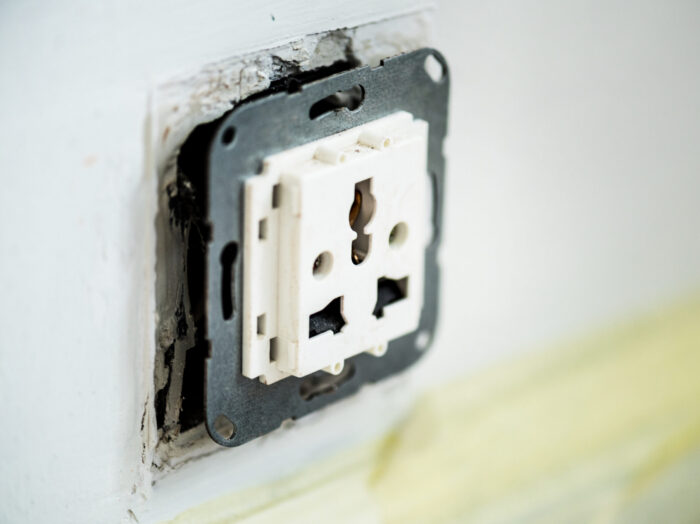
A faint burning smell or an outlet that feels warm to the touch can stop you in your tracks. Electrical issues often begin with subtle warning signs before they turn into larger problems. Paying attention to early warning signs can help protect your home and everyone in it. At Black-Haak, in Greenville, WI, we work with homeowners every day to identify and correct electrical concerns before they escalate. If you notice heat or odor coming from an outlet, knowing what to do next makes all the difference. If you need professional help, our electrical service in Greenville, WI can quickly diagnose and resolve the issue.
Recognize What the Smell and Heat Are Telling You
A warm outlet or a faint burning smell usually points to heat building where it should not. Electricity moving through a tight, stable connection stays controlled. When a connection loosens, resistance increases, and resistance produces heat. You might notice a plastic odor, a faint fishy smell, or a faceplate that feels warmer than the wall around it. In some cases, there is a quiet crackle when a device powers on. These early signs matter because they often appear before visible damage develops.
Heat can develop for several reasons. A loose wire inside the box can arc. The metal contacts inside the receptacle can wear down and lose their grip on plug blades. A circuit may be carrying more load than it was designed to handle. Moisture can corrode contact points and create instability. The smell can travel through wall cavities, so the source may not feel obvious at first. Treat any unexplained heat or odor as a warning, not as something that will fade on its own. If the outlet cover feels noticeably warmer than nearby surfaces, that difference in temperature is a meaningful clue that electrical resistance is building inside the box.
Take Immediate Steps to Reduce Risk
Your first move should be to remove the load from the outlet. Unplug devices by holding the plug body, not the cord. If the plug feels hot, avoid handling it further and switch off the breaker instead. If you see smoke, sparks, or glowing inside the outlet, move away from the area and call emergency services. Do not touch a cover plate that feels hot, as heat can continue building behind it.
After unplugging devices, turn off the breaker that controls that circuit if you can do so safely. Stand on a dry surface and avoid contact with metal surfaces around the panel. If you are unsure which breaker controls the outlet, leave the outlet unused and arrange for professional service. Testing the outlet by plugging something small back in is not safe. A damaged connection can behave normally for a short time before overheating again under load. Acting quickly limits how long heat continues to build inside the wall cavity.
Common Causes Behind a Burning Smell or Warm Outlet
Loose wiring is one of the most frequent causes. Wires that are not secured tightly under terminal screws can create arcing and heat. Over time, vibration and thermal expansion can weaken those connections. Worn receptacles also contribute to overheating. If the internal contacts lose tension, the plug may sit loosely, creating small movements that generate heat at the contact points.
Overloaded circuits are another common factor. High-draw devices such as space heaters, hair dryers, and microwaves can strain a circuit when combined with other loads. Damaged cords can also create localized heat at the plug. In areas exposed to moisture, corrosion can weaken metal parts inside the box. Describing when the odor started and what was running at the time helps a professional narrow down the source. Even something as simple as a phone charger that remains plugged in continuously can expose a weak connection if the outlet contacts have deteriorated. Many of these problems can be resolved with prompt electrical repair in Greenville, WI.
Red Flags That Signal a Larger Electrical Concern
If more than one outlet feels warm or you notice repeated breaker trips, the issue may extend beyond a single receptacle. Breakers trip in response to overload or short conditions. Resetting a breaker multiple times can keep feeding a failing connection. If the breaker will not stay on, leave it off and call for service.
Watch for discoloration around outlet slots, buzzing sounds, flickering lights, or plugs that slip out easily. If the lights dim when the appliances start, that can indicate a weak connection or undersized wiring. These symptoms suggest the problem may lie in upstream junctions or in the panel itself. Addressing only one outlet in these cases may not solve the root issue. When several small warning signs appear together, they often point to a shared circuit problem rather than isolated device wear.
Why Intermittent Symptoms Still Require Attention
Electrical problems can appear inconsistent because heat changes how metal components behave. A loose connection may arc briefly, leave residue, and then settle. A receptacle may grip tightly in one position and loosely in another. This inconsistency can make the issue seem temporary.
Arcing can leave behind carbon deposits that conduct electricity in unstable ways. Damaged insulation inside the box may expose wiring to greater risk. Even if the smell disappears, the condition that caused it may still exist. Waiting for the symptom to return increases the chance of more serious damage. The first warning is the right time to act. Heat that develops repeatedly in short cycles can slowly degrade materials even if each episode feels minor.
What a Professional Inspection Involves
An electrician will typically begin by identifying which devices share the same circuit. Heat at one outlet can be caused by a failing connection elsewhere on the line. They will examine the suspect outlet for loose terminations, damaged insulation, or worn contact points. If needed, they will check the electrical panel for signs of overheating or improper conductor sizing.
Load evaluation is also important. A circuit that supports multiple high-demand devices may need redistribution. The inspection may include checking grounding, verifying breaker operation, and confirming that protective devices function correctly. The goal is to locate the source of heat and restore safe electrical flow, not just to replace a single part without further evaluation. A thorough review reduces the chance of overlooking a hidden upstream issue that could resurface later.
Lower the Chances of Future Overheating
After repairs, thoughtful use of circuits helps reduce strain. High-demand appliances should not share outlets or power strips with other electronics. If a room relies heavily on extension cords, that may indicate the need for additional outlets on properly sized circuits. Home offices, entertainment centers, and garage workshops often draw more power than older wiring can handle. In these cases, upgrading or improving your home’s electrical wiring can improve safety and reliability.
Pay attention to outlet fit. A plug that slides in loosely or falls out easily can signal worn contacts. Replace damaged cords promptly, and avoid using devices that feel hot during operation. If you notice repeated flicker, frequent breaker trips, or warmth at outlets under normal use, arrange for a broader electrical review. Addressing patterns early protects your wiring and reduces the chance of future heat-related damage.
Act Quickly, Act Safely
A burning smell or warm outlet is your home’s way of signaling that something inside the electrical system is not functioning as it should. Loose wiring connections, overloaded circuits, worn outlets, or damaged insulation can all create excess heat behind the wall. Ignoring those signs can allow heat buildup to continue and increase the risk of damage. At Black-Haak, we focus on identifying the source of the heat and correcting it safely and thoroughly. If you suspect an electrical problem, schedule a professional electrician evaluation today and take control before a small warning becomes a serious problem.